The Book of
Nehemiah 7
73 verses≈ 7 min4 peopleBSB
Images are artistic interpretations.
Tap any post to go deeper
In this chapter

The Book of
73 verses≈ 7 min4 peopleBSB
Images are artistic interpretations.
Tap any post to go deeper
In this chapter
Where we are
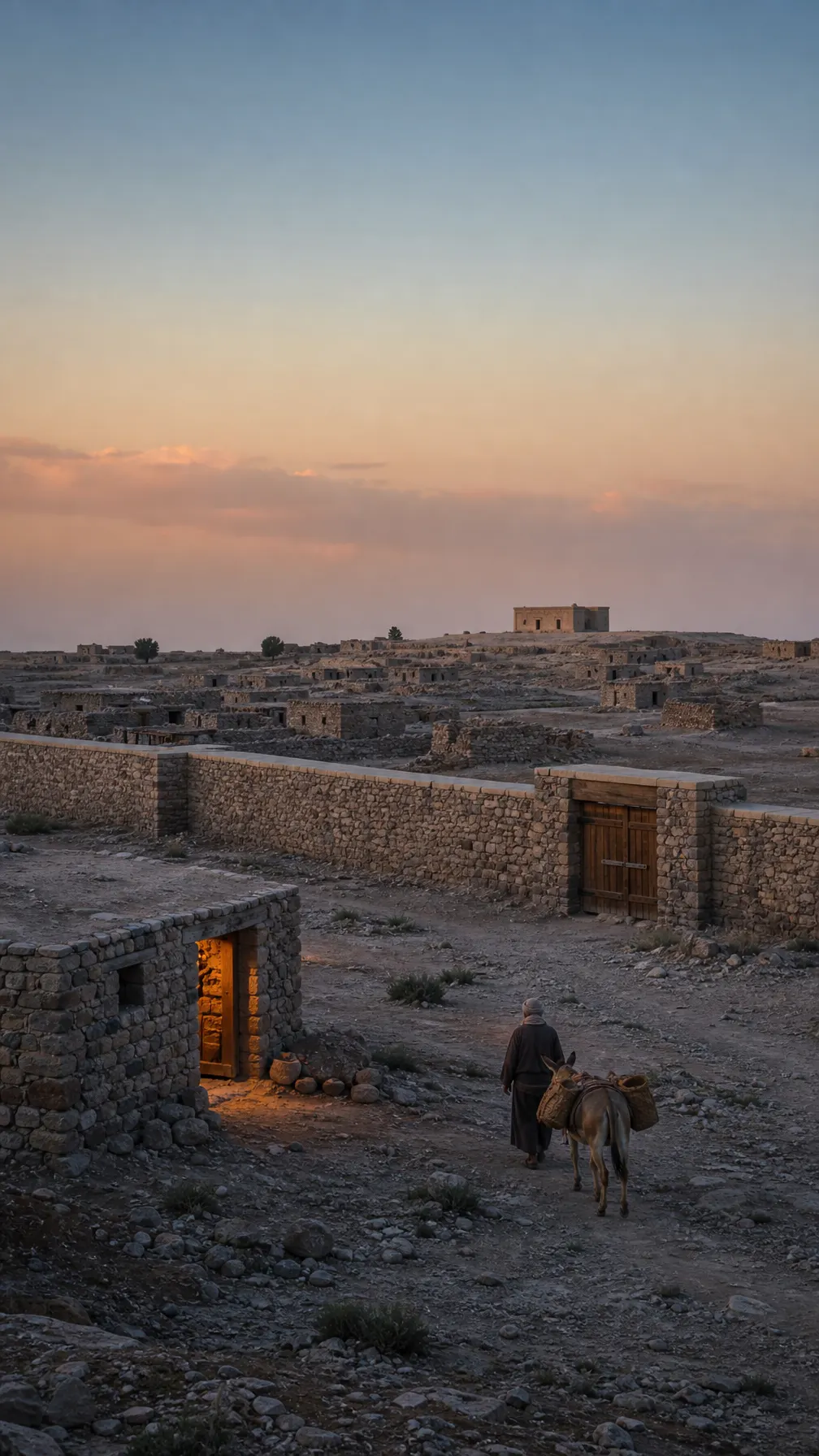
When the wall had been rebuilt and I had set the doors in place, the gatekeepers, singers, and Levites were appointed.
Tap to go deeper: meaning, history and related Scripture
Then I put my brother Hanani in charge of Jerusalem, along with Hananiah the commander of the fortress, because he was a faithful man who feared God more than most.
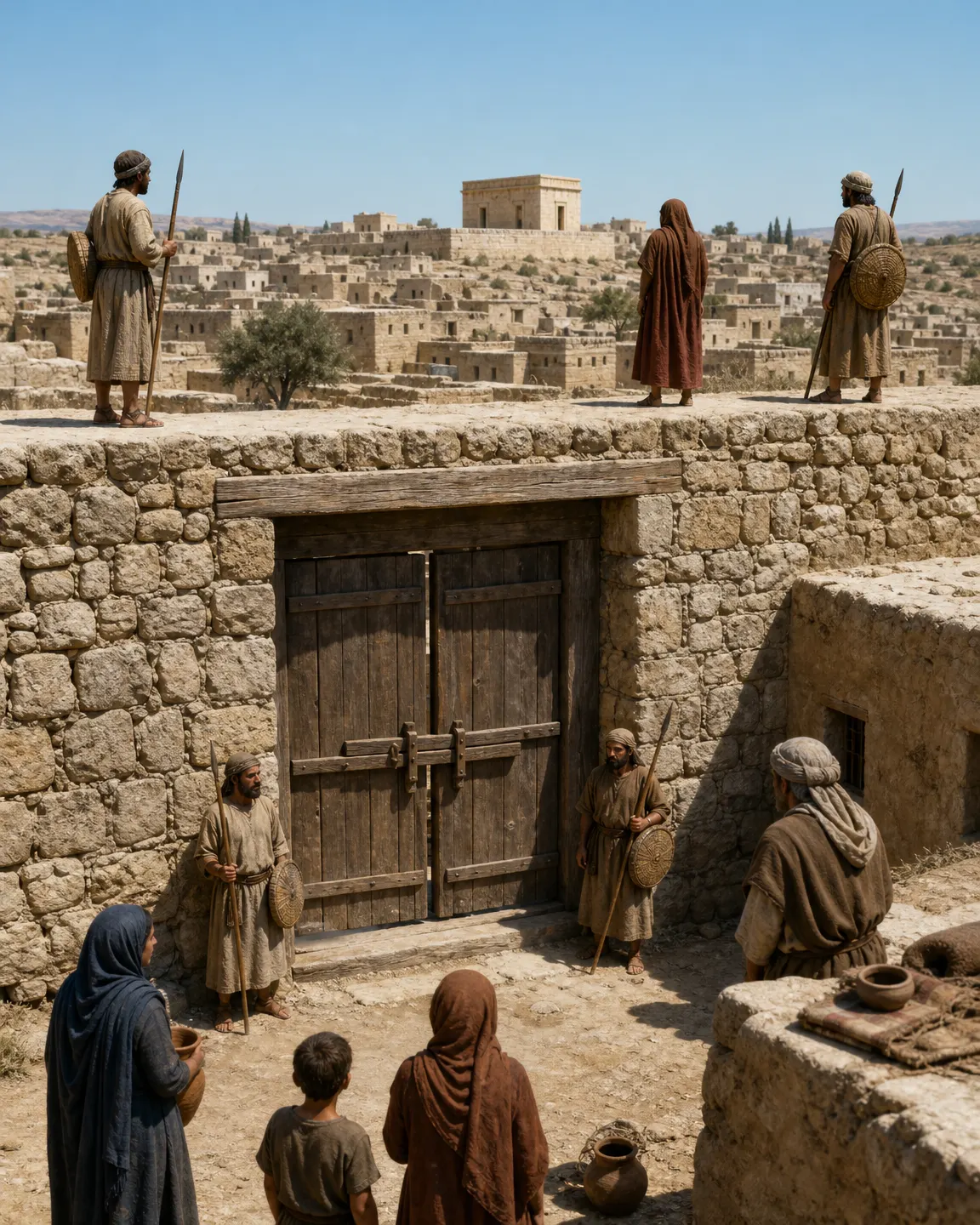
there were few people in it
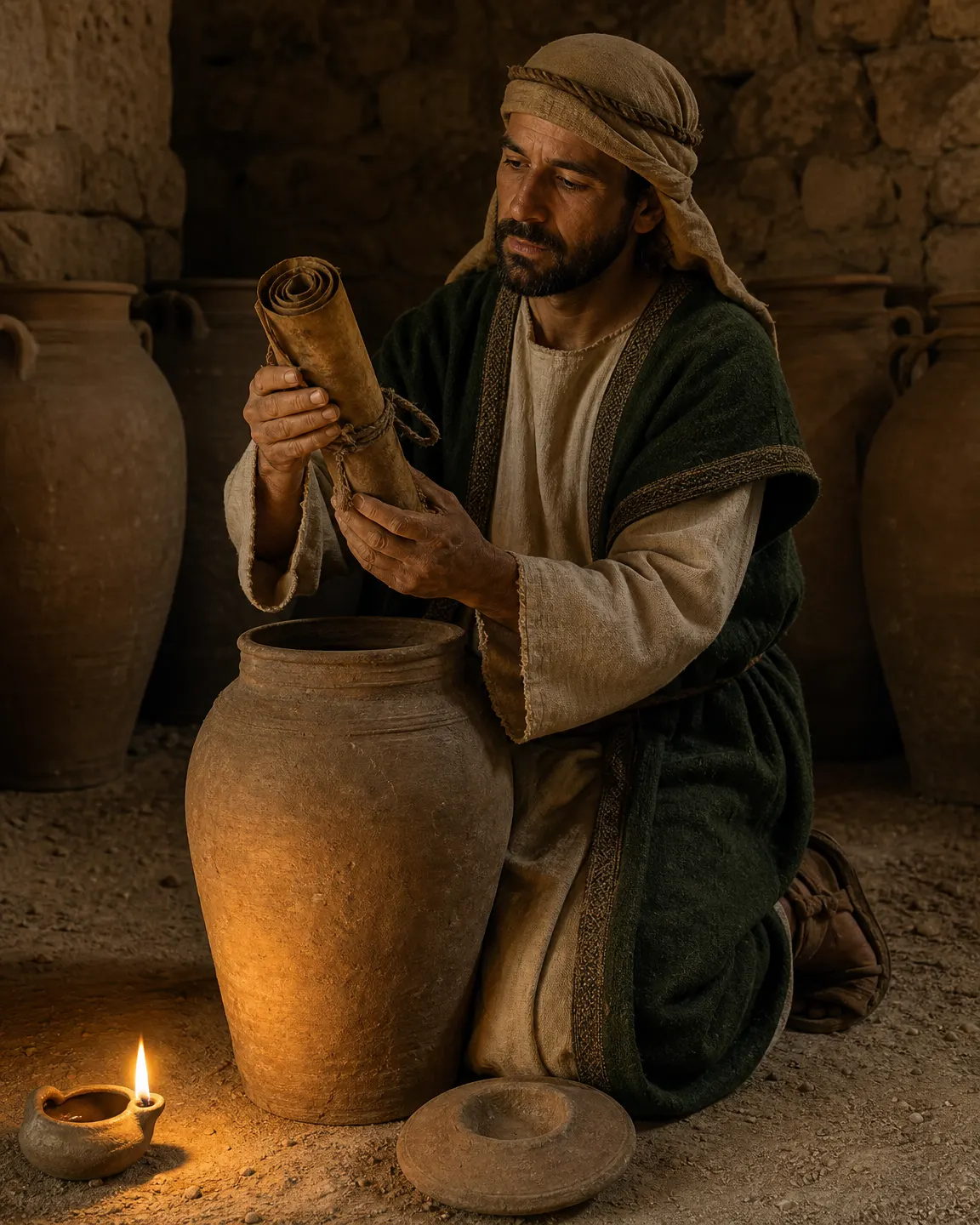
Then my God put it into my heart to assemble the nobles, the officials, and the people to be enrolled by genealogy.
my God put it into my heart to assemble the nobles, the officials, and the people to be enrolled by genealogy
Nehemiah 7:5
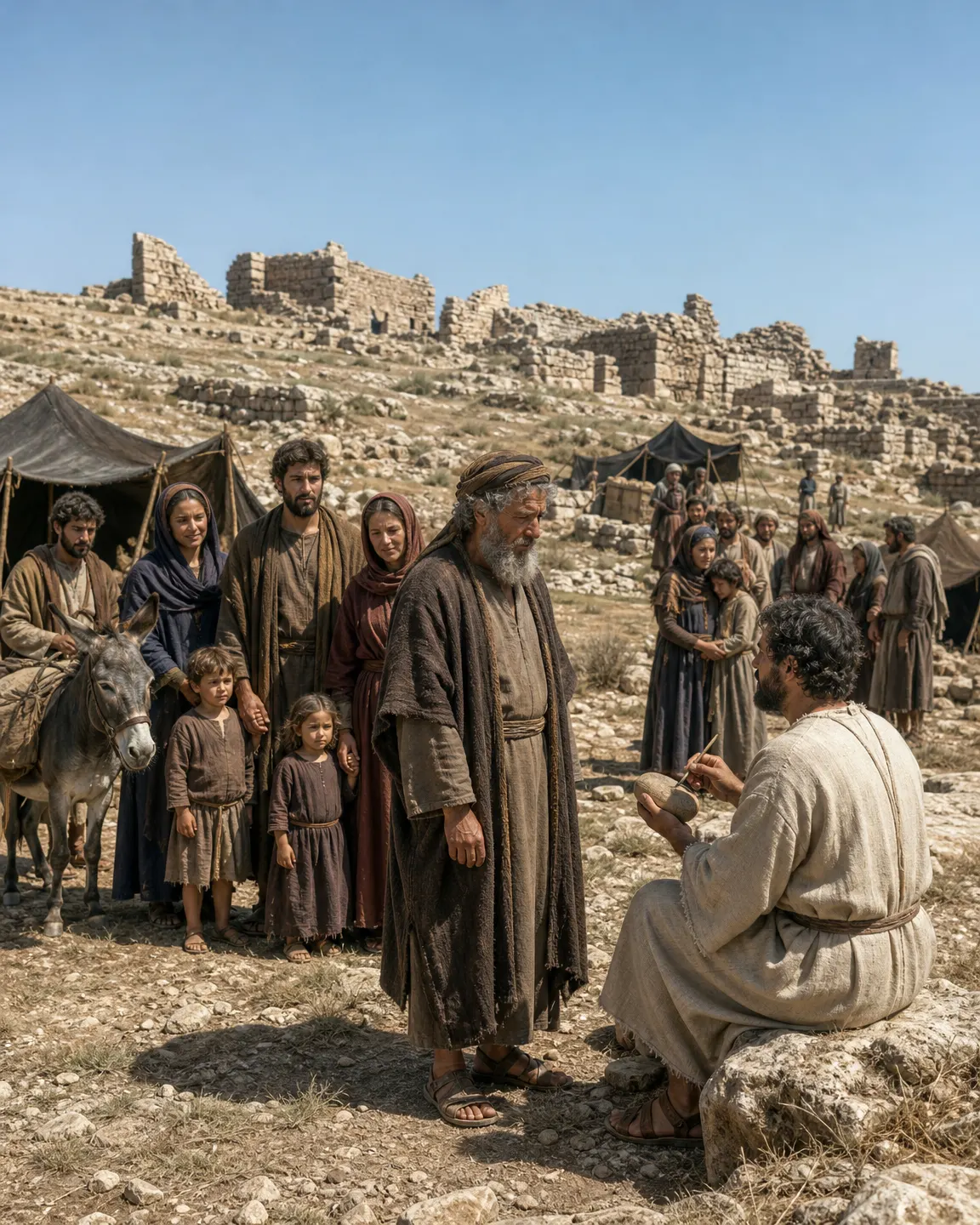
These are the people of the province who came up from the captivity of the exiles carried away to Babylon by Nebuchadnezzar its king. They returned to Jerusalem and Judah, each to his own town,
accompanied by Zerubbabel, Jeshua, Nehemiah
Families
The count
This is the count of the men of Israel:
the descendants of Parosh, 2,172;
the descendants of Shephatiah, 372;
the descendants of Arah, 652;
Jeshua and Joab
the descendants of Pahath-moab (through the line of Jeshua and Joab), 2,818;
the descendants of Elam, 1,254;
the descendants of Zattu, 845;
the descendants of Zaccai, 760;
Or Bani
the descendants of Binnui, 648;
the descendants of Bebai, 628;
the descendants of Azgad, 2,322;
the descendants of Adonikam, 667;
Families
the descendants of Bigvai, 2,067;
the descendants of Adin, 655;
Through Hezekiah
the descendants of Ater (through Hezekiah), 98;
the descendants of Hashum, 328;
the descendants of Bezai, 324;
Or Jorah
the descendants of Hariph, 112;
Or Gibbar
the descendants of Gibeon, 95;
Towns
the men of Bethlehem and Netophah, 188;
the men of Anathoth, 128;
Or Azmaveth
the men of Beth-azmaveth, 42;
the men of Kiriath-jearim, Chephirah, and Beeroth, 743;
the men of Ramah and Geba, 621;
the men of Michmash, 122;
the men of Bethel and Ai, 123;
Or West Nebo
the men of the other Nebo, 52;
Stylised map · locations approximate
On the map
Ninety years on, these were still the towns people called home, and most lay within a day’s walk of the new wall. Ono is the plain where Sanballat wanted to meet (6:2). Where Nebo lay is not known.
Towns and families
Or West Elam
the descendants of the other Elam, 1,254;
the descendants of Harim, 320;
the men of Jericho, 345;
the men of Lod, Hadid, and Ono, 721;
and the descendants of Senaah, 3,930.
Reflect
Nehemiah went back to an old list before he did anything else. Who are the people who brought faith to you? Write their names and thank God for them.
Whiteboard
A wall does not make a city. Before people could move in, Nehemiah needed to know who the people were, and the story runs on from here through chapters 8 to 11.
Temple servants
The Nethinim
The temple servants:
the descendants of Ziha,
the descendants of Hasupha,
the descendants of Tabbaoth,
Or Siaha
the descendants of Keros,
the descendants of Sia,
the descendants of Padon,
the descendants of Lebanah,
the descendants of Hagabah,
the descendants of Shalmai,
the descendants of Hanan,
the descendants of Giddel,
the descendants of Gahar,
the descendants of Reaiah,
the descendants of Rezin,
the descendants of Nekoda,
the descendants of Gazzam,
the descendants of Uzza,
the descendants of Paseah,
Or Nephusim
the descendants of Besai,
the descendants of Meunim,
the descendants of Nephushesim,
the descendants of Bakbuk,
the descendants of Hakupha,
the descendants of Harhur,
Or Bazluth
the descendants of Bazlith,
the descendants of Mehida,
the descendants of Harsha,
the descendants of Barkos,
the descendants of Sisera,
the descendants of Temah,
the descendants of Neziah,
and the descendants of Hatipha.
Solomon’s servants
Or Peruda
The descendants of the servants of Solomon:
the descendants of Sotai,
the descendants of Sophereth,
the descendants of Perida,
the descendants of Jaala,
the descendants of Darkon,
the descendants of Giddel,
Or Ami
the descendants of Shephatiah,
the descendants of Hattil,
the descendants of Pochereth-hazzebaim,
and the descendants of Amon.
With temple servants
The temple servants and descendants of the servants of Solomon numbered 392 in all.
The following came up from Tel-melah, Tel-harsha, Cherub, Addon, and Immer, but they could not prove that their families were descended from Israel:
the descendants of Delaiah,
the descendants of Tobiah,
and the descendants of Nekoda,
642 in all.
And from among the priests: the descendants of Hobaiah,
the descendants of Hakkoz,
and the descendants of Barzillai (who had married a daughter of Barzillai the Gileadite and was called by their name).
These men searched for their family records, but they could not find them and so were excluded from the priesthood as unclean.
The governor ordered them not to eat the most holy things until there was a priest to consult the Urim and Thummim.
Pray
Some came all the way home and still “could not prove that their families were descended from Israel.” Pray for anyone on the edge of God’s people, unsure they belong. Thank God that He knows His own, and thank Him for those who came first and held on.
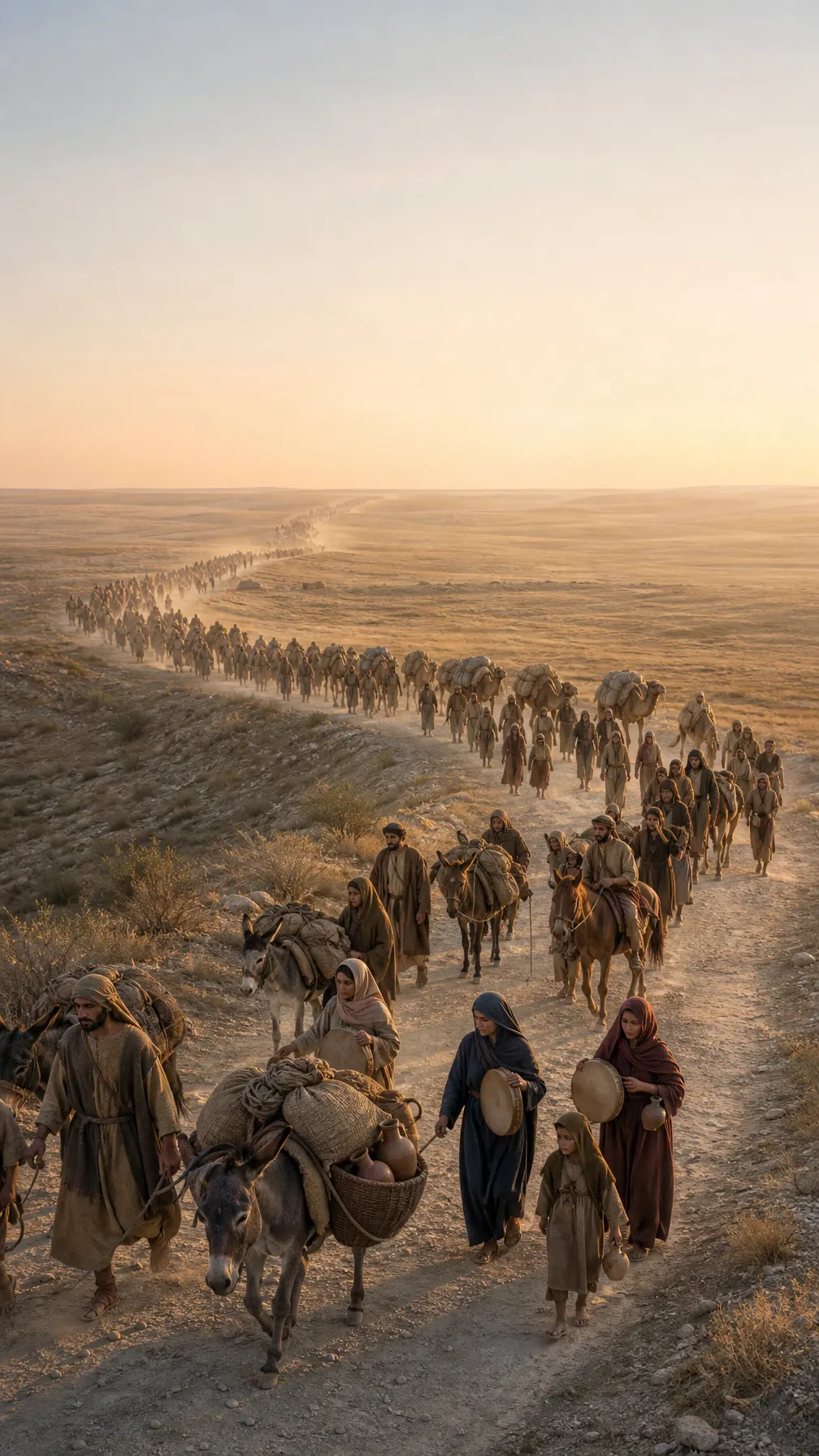
The whole assembly numbered 42,360, in addition to their 7,337 menservants and maidservants, as well as their 245 male and female singers. They had 736 horses, 245 mules, 435 camels, and 6,720 donkeys.
Narrated by Bob Souer · BSB audio, public domain
So the priests, Levites, gatekeepers, singers, and temple servants, along with some of the people and the rest of the Israelites, settled in their own towns. And by the seventh month the Israelites had settled in their towns.
Question
God put it into Nehemiah’s heart to gather the people, and then he made a discovery.
What did Nehemiah find when he set out to enroll the people?
You’ve experienced
Nehemiah 7
0 of 13 chapters read
A verse to carry with you
Then my God put it into my heart to assemble the nobles, the officials, and the people to be enrolled by genealogy.
Nehemiah 7:5
or swipe left