The Book of
Nahum Intro
Before chapter 1≈ 2 min3 chapters
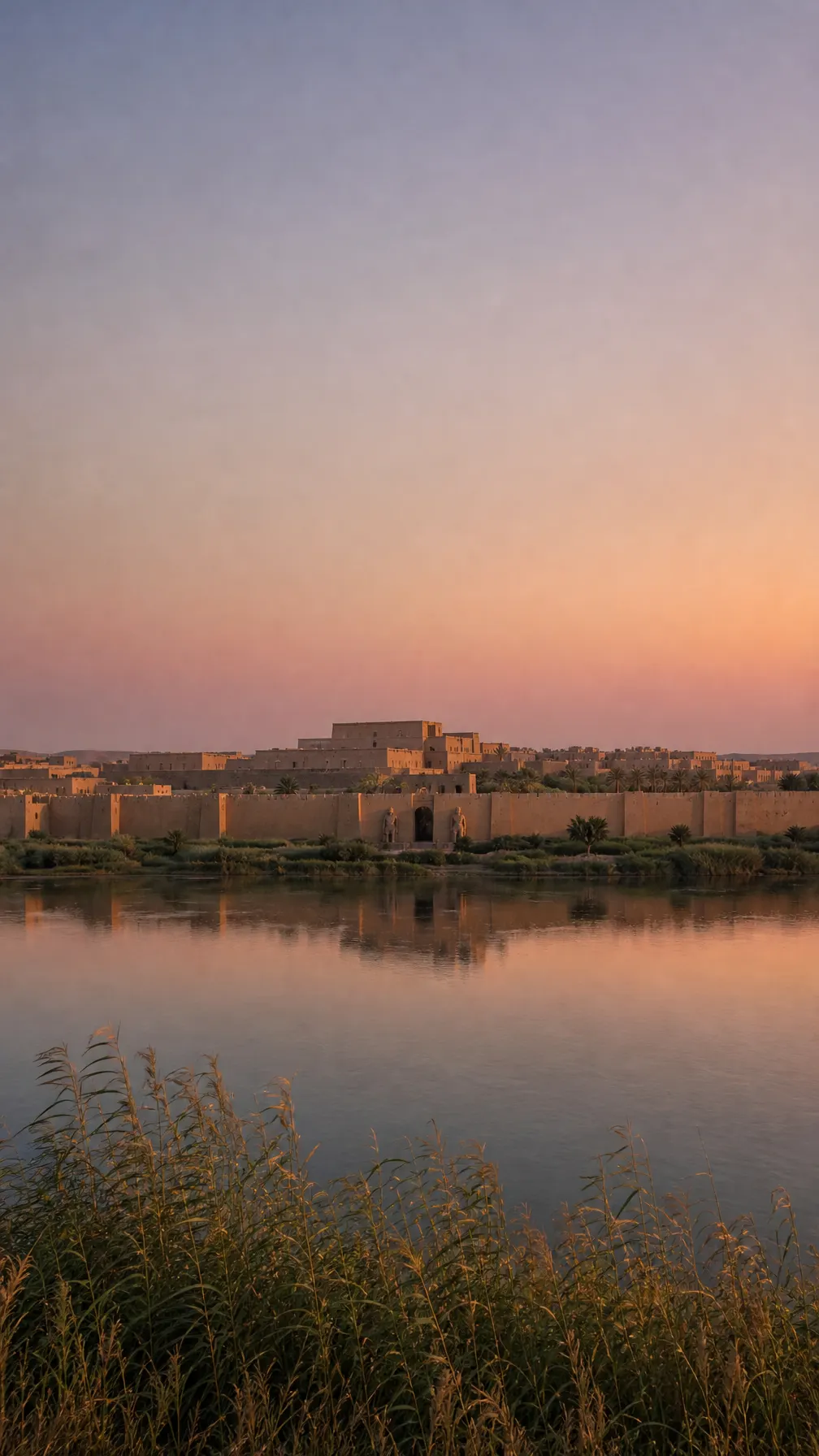
Images are artistic interpretations.

The Book of
Before chapter 1≈ 2 min3 chapters
Images are artistic interpretations.
A century after Jonah, Nineveh is cruel again.
Assyria has crushed nation after nation.
Nahum says its end is coming.
The LORD is slow to anger, but He sees.
And for Judah: good news on the mountains.
Tap to go deeper: meaning, history and related Scripture
Assyria’s armies had reached the Nile.
Judah had lived under its yoke for decades.
In 612 BC the Babylonians and Medes took Nineveh.
Whiteboard
First who God is, then how Nineveh falls, then why.
It is about Nineveh, but it was written for Judah.
Read it beside Jonah: the same city, the same God.
Its anger is God’s answer to cruelty.
the feet of one who brings good news, who proclaims peace!
Nahum 1:15
Question
Nahum is not the first prophet to speak to Nineveh.
Which prophet had preached in Nineveh about a century before Nahum?
or swipe left