
The Book of
Leviticus 27
34 verses≈ 7 minBSB
Images are artistic interpretations.
Tap any post to go deeper

The Book of
34 verses≈ 7 minBSB
Images are artistic interpretations.
Tap any post to go deeper
Where we are
Then the LORD said to Moses, “Speak to the Israelites and say to them, ‘When someone makes a special vow to the LORD involving the value of persons,
Tap to go deeper: meaning, history and related Scripture
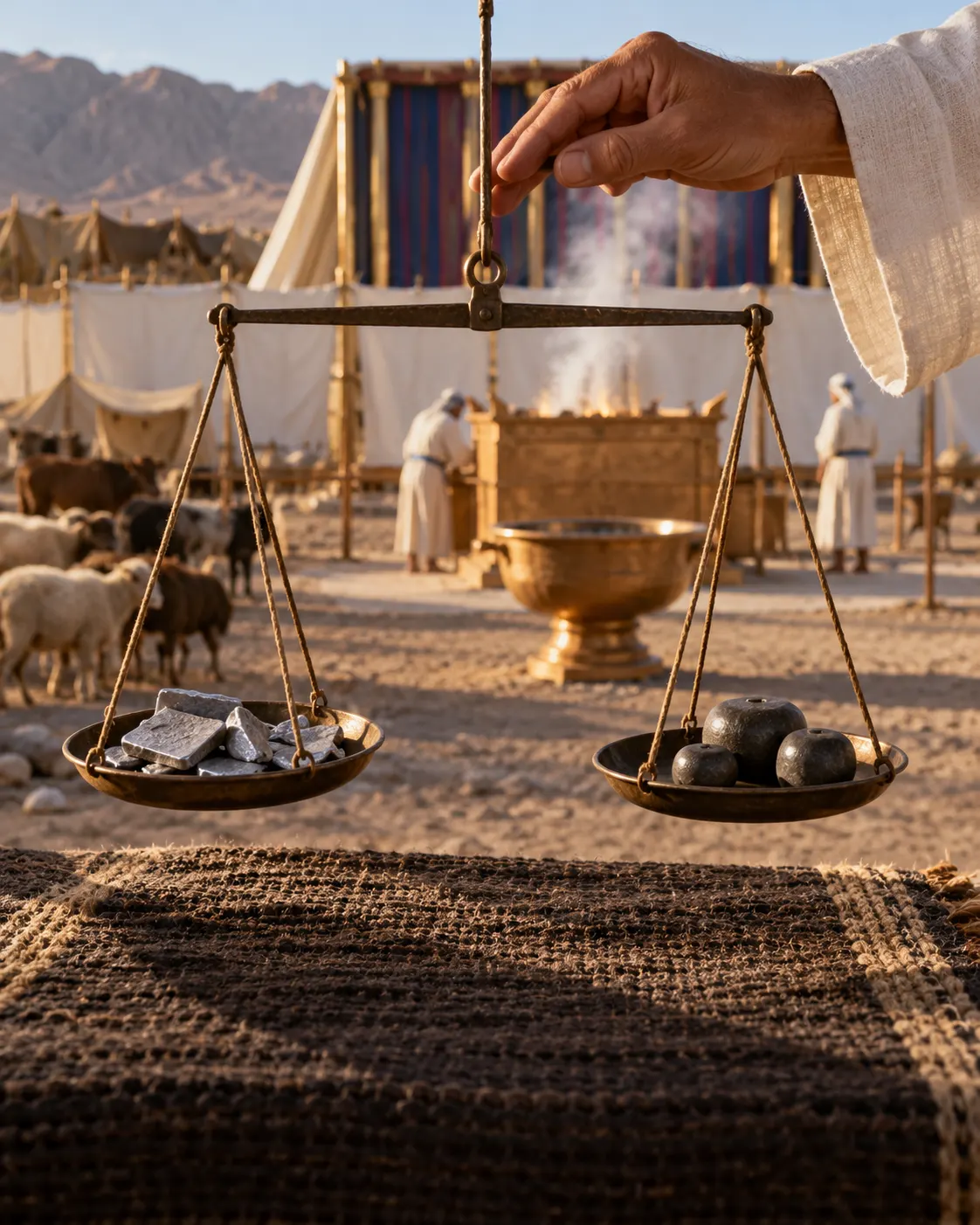
Adults
if the valuation concerns a male from twenty to sixty years of age, then your valuation shall be fifty shekels of silver, according to the sanctuary shekel.
Or if it is a female, then your valuation shall be thirty shekels.
Youth
And if the person is from five to twenty years of age, then your valuation for the male shall be twenty shekels, and for the female ten shekels.
Children
Now if the person is from one month to five years of age, then your valuation for the male shall be five shekels of silver, and for the female three shekels of silver.
Older
And if the person is sixty years of age or older, then your valuation shall be fifteen shekels for the male and ten shekels for the female.
Mercy
But if the one making the vow is too poor to pay the valuation, he is to present the person before the priest, who shall set the value according to what the one making the vow can afford.
who shall set the value according to what the one making the vow can afford
Leviticus 27:8
Reflect
No one in Israel had to make “a special vow to the LORD.” It was freely given. But once a vow was made, it was weighed out in silver and paid. Think of a promise you have made to God: in a prayer, at your baptism, in a hard season, or at your wedding. Write it down. How are you keeping it today?
The law
If he vows an animal that may be brought as an offering to the LORD, any such animal given to the LORD shall be holy.
No swap
He must not replace it or exchange it, either good for bad or bad for good.
But if he does substitute one animal for another, both that animal and its substitute will be holy.
Unclean
But if the vow involves any of the unclean animals that may not be brought as an offering to the LORD, the animal must be presented before the priest.
The priest shall set its value, whether high or low; as the priest values it, the price will be set.
Plus a fifth
If, however, the owner decides to redeem the animal, he must add a fifth to its value.
The law
Now if a man consecrates to the LORD a field he has purchased, which is not a part of his own property,
then the priest shall calculate for him the value up to the Year of Jubilee, and the man shall pay the assessed value on that day as a sacred offering to the LORD.
Jubilee
In the Year of Jubilee the field shall return to the one from whom it was bought—the original owner of the land.
One standard
Every valuation will be according to the sanctuary shekel, twenty gerahs to the shekel.
Pray
A house, a field, an animal: in Israel, a gift vowed to God was valued honestly and could not be traded down. Ask God for a heart that gives Him the best and not the leftovers, and for the honesty to keep your word. Thank Him that everything you have came from Him first.
But no one may consecrate a firstborn of the livestock, because a firstborn belongs to the LORD. Whether it is an ox or a sheep, it is the LORD’s. But if it is among the unclean animals, then he may redeem it according to your valuation and add a fifth of its value. If it is not redeemed, then it shall be sold according to your valuation.
Nothing that a man sets apart to the LORD from all he owns—whether a man, an animal, or his inherited land—can be sold or redeemed; everything so devoted is most holy to the LORD.
No person set apart for destruction may be ransomed; he must surely be put to death.
Whiteboard
Some gifts could be bought back. A person vowed to God was paid for in silver, and a house, a field or a tenth of the crops could be redeemed by adding a fifth. Others could never come back: a clean animal given for sacrifice, the firstborn, which already “belongs to the LORD,” and anything devoted, which was “most holy to the LORD.” What was God’s stayed God’s.
Thus any tithe from the land, whether from the seed of the land or the fruit of the trees, belongs to the LORD; it is holy to the LORD. If a man wishes to redeem part of his tithe, he must add a fifth to its value.
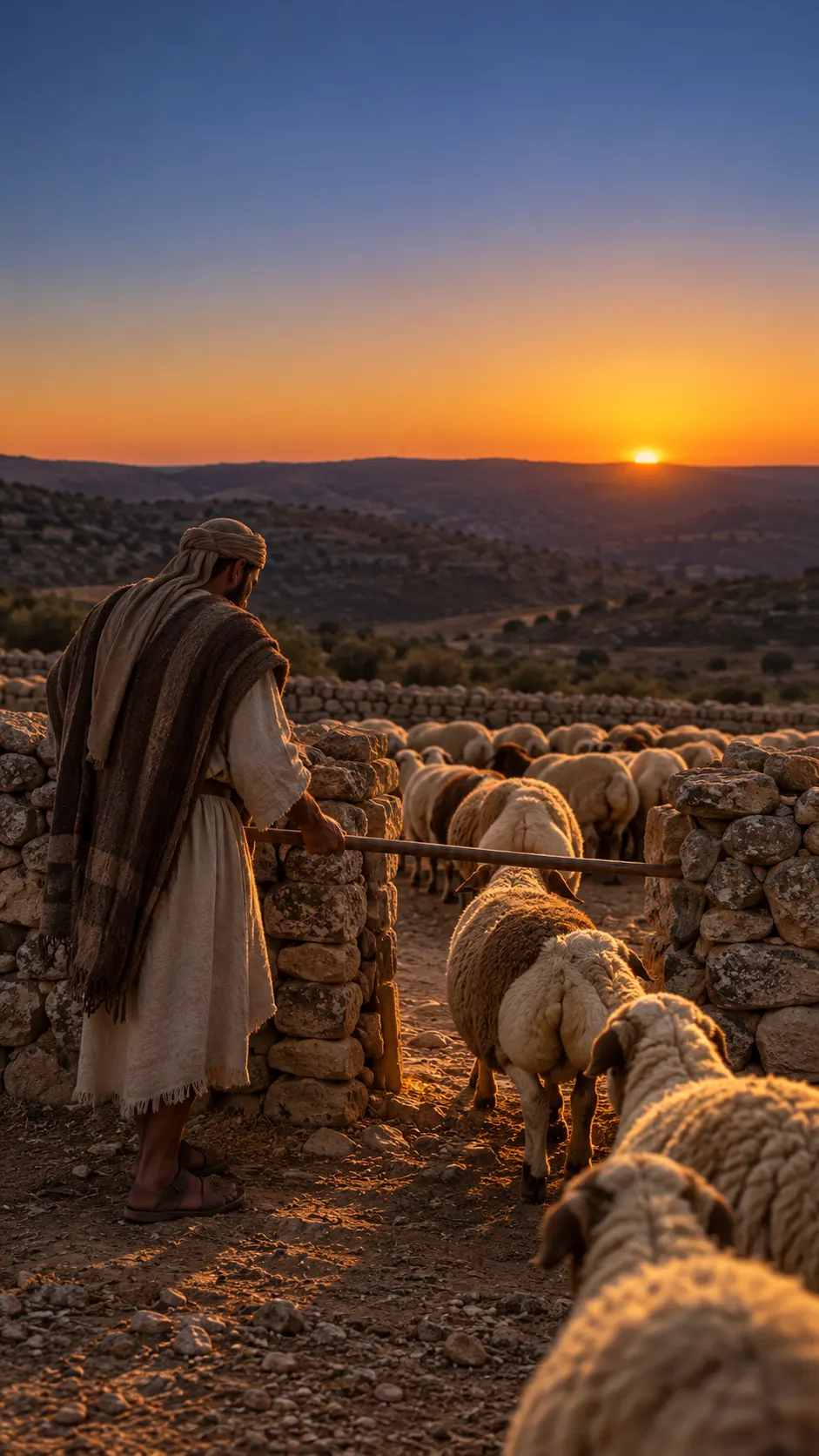
Every tenth animal from the herd or flock that passes under the shepherd’s rod will be holy to the LORD. He must not inspect whether it is good or bad, and he shall not make any substitution. But if he does make a substitution, both the animal and its substitute shall become holy; they cannot be redeemed.’”
Narrated by Bob Souer · BSB audio, public domain
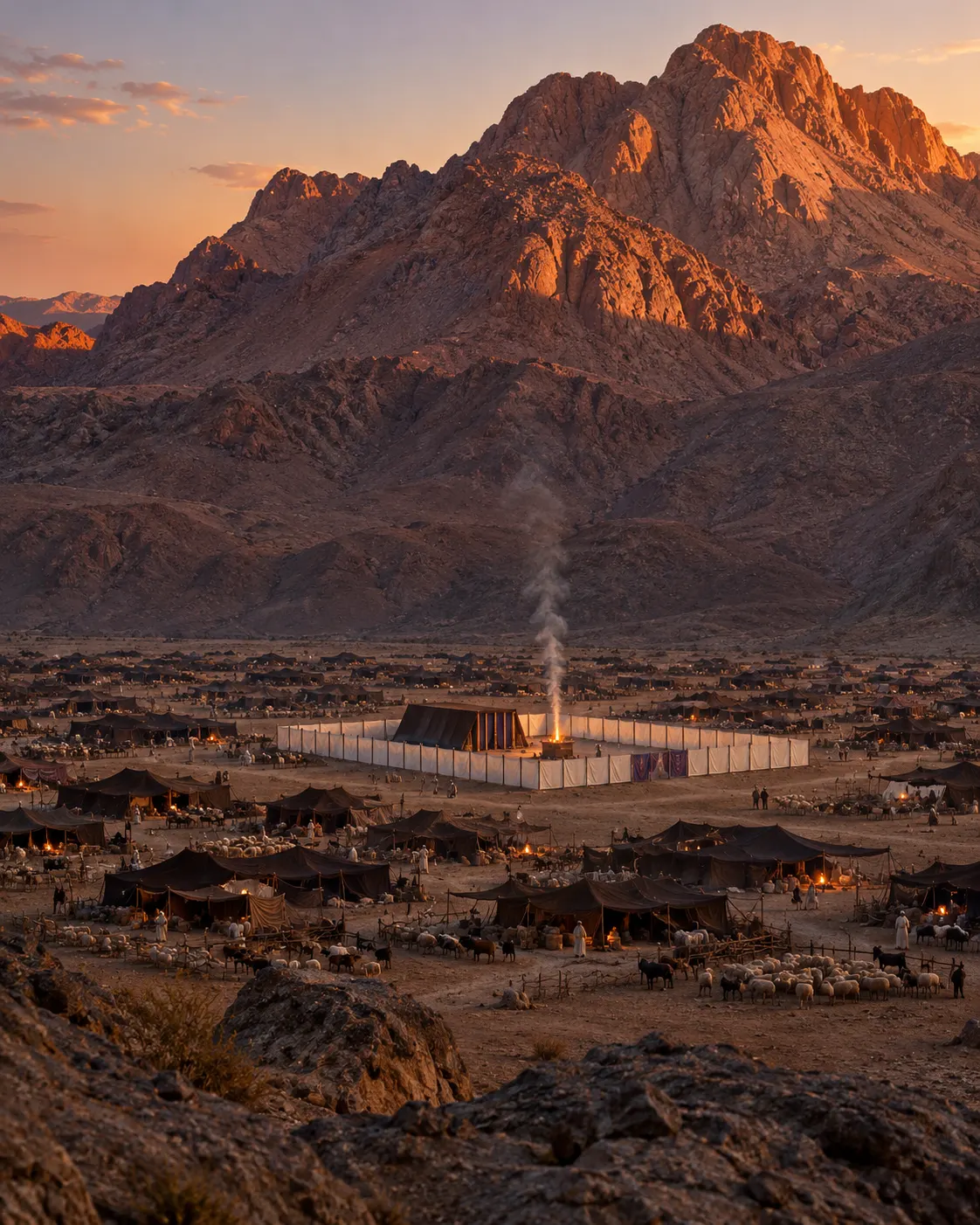
These are the commandments that the LORD gave to Moses for the Israelites on Mount Sinai.
Leviticus 27:34
Question
A man could give his house to the LORD and later want it back.
What did a man have to add to buy back a house he had consecrated?
You’ve experienced
Leviticus 27
0 of 27 chapters read
A verse to carry with you
These are the commandments that the LORD gave to Moses for the Israelites on Mount Sinai.
Leviticus 27:34
or swipe left