
The Book of
Leviticus 2
16 verses≈ 3 minBSB
Images are artistic interpretations.
Tap any post to go deeper

The Book of
16 verses≈ 3 minBSB
Images are artistic interpretations.
Tap any post to go deeper
Where we are
Tap to go deeper: meaning, history and related Scripture

Oven
Now if you bring an offering of grain baked in an oven, it must consist of fine flour, either unleavened cakes mixed with oil or unleavened wafers coated with oil.
Griddle
If your offering is a grain offering prepared on a griddle, it must be unleavened bread made of fine flour mixed with oil. Crumble it and pour oil on it; it is a grain offering.
Pan
If your offering is a grain offering cooked in a pan, it must consist of fine flour with oil.
When you bring to the LORD the grain offering made in any of these ways, it is to be presented to the priest, and he shall take it to the altar. The priest is to remove the memorial portion from the grain offering and burn it on the altar as a food offering, a pleasing aroma to the LORD. But the remainder of the grain offering shall belong to Aaron and his sons; it is a most holy part of the food offerings to the LORD.
Reflect
A grain offering began long before it reached the altar. Someone sowed and reaped the wheat, ground it to “fine flour,” pressed the olives for oil and baked it at home, in an oven, on a griddle or in a pan. Then they gave it to God, and He called it “a pleasing aroma.” Your ordinary work can be offered to Him the same way. What will your hands make or do this week? Write it down, and write how you could give it to God. Then pray: Lord, take the work of my hands and make it Yours.
No grain offering that you present to the LORD may be made with leaven, for you are not to burn any leaven or honey as a food offering to the LORD. You may bring them to the LORD as an offering of firstfruits, but they must not go up on the altar as a pleasing aroma.
And you shall season each of your grain offerings with salt.
You must not leave the salt of the covenant of your God out of your grain offering; you are to add salt to each of your offerings.
Leviticus 2:13
Question
Some things went into every grain offering, and some things never did.
What was never to be left out of a grain offering?
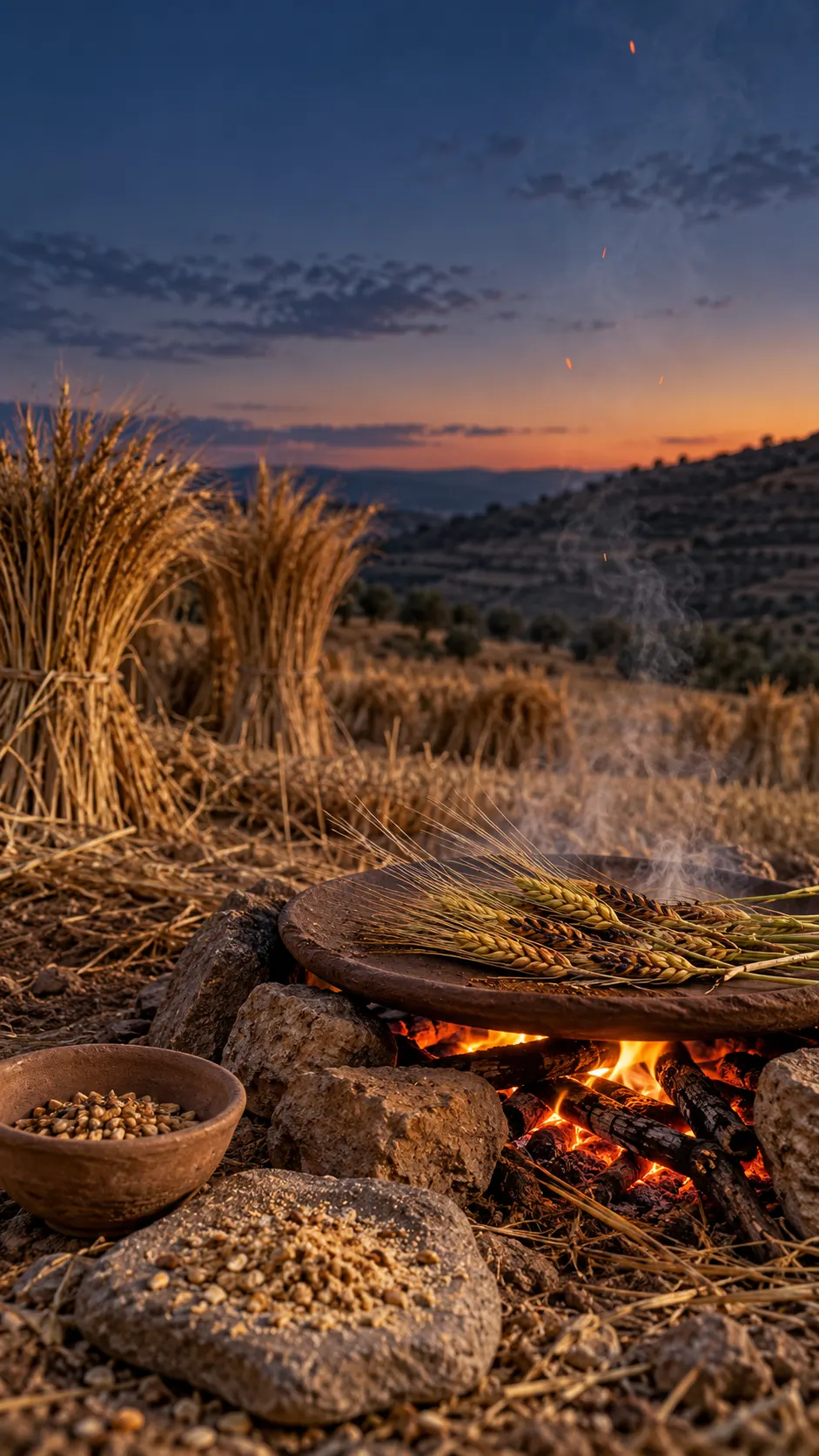
If you bring a grain offering of firstfruits to the LORD, you shall offer crushed heads of new grain roasted on the fire. And you are to put oil and frankincense on it; it is a grain offering. The priest shall then burn the memorial portion of the crushed grain and the oil, together with all its frankincense, as a food offering to the LORD.
Narrated by Bob Souer · BSB audio, public domain
You’ve experienced
Leviticus 2
0 of 27 chapters read
A verse to carry with you
You must not leave the salt of the covenant of your God out of your grain offering; you are to add salt to each of your offerings.
Leviticus 2:13
or swipe left