
The Book of
Leviticus 1
17 verses≈ 4 min1 personBSB
Images are artistic interpretations.
Tap any post to go deeper
In this chapter

The Book of
17 verses≈ 4 min1 personBSB
Images are artistic interpretations.
Tap any post to go deeper
In this chapter
Where we are
Then the LORD called to Moses and spoke to him from the Tent of Meeting, saying, “Speak to the Israelites and tell them: When any of you brings an offering to the LORD, you may bring as your offering an animal from the herd or the flock.
Tap to go deeper: meaning, history and related Scripture
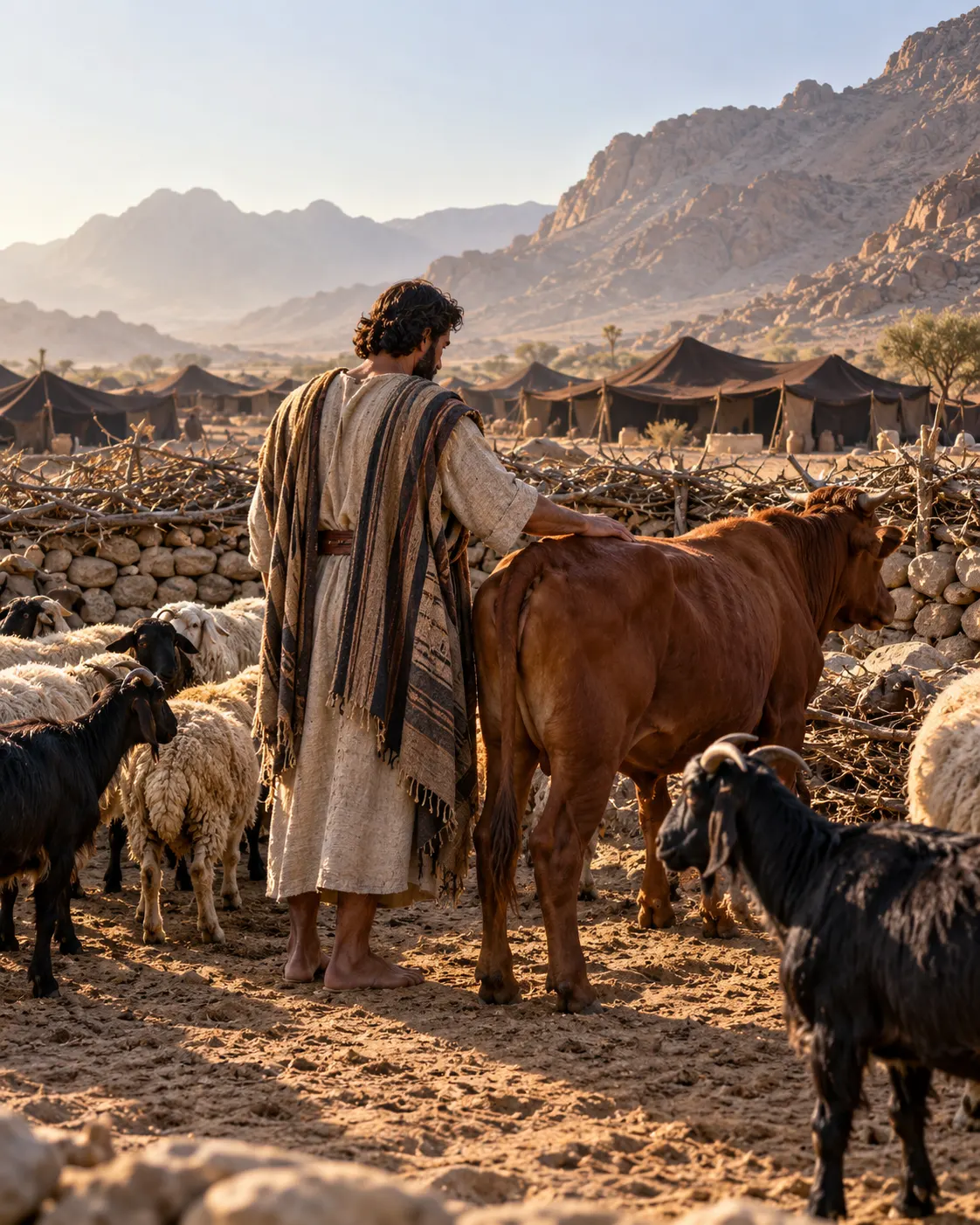
If his offering is a burnt offering from the herd, he is to present an unblemished male. He must bring it to the entrance to the Tent of Meeting for its acceptance before the LORD.
He is to lay his hand on the head of the burnt offering, so it can be accepted on his behalf to make atonement for him.
Leviticus 1:4
Reflect
Before any priest touched the altar, the worshiper did one thing himself: he laid his hand on the animal’s head. Then God said it would be “accepted on his behalf to make atonement for him.” Another life stood in his place. Write down what it means to you that Jesus stood in yours. Then pray: Lord Jesus, thank You for taking my place, so that I am accepted. Amen.
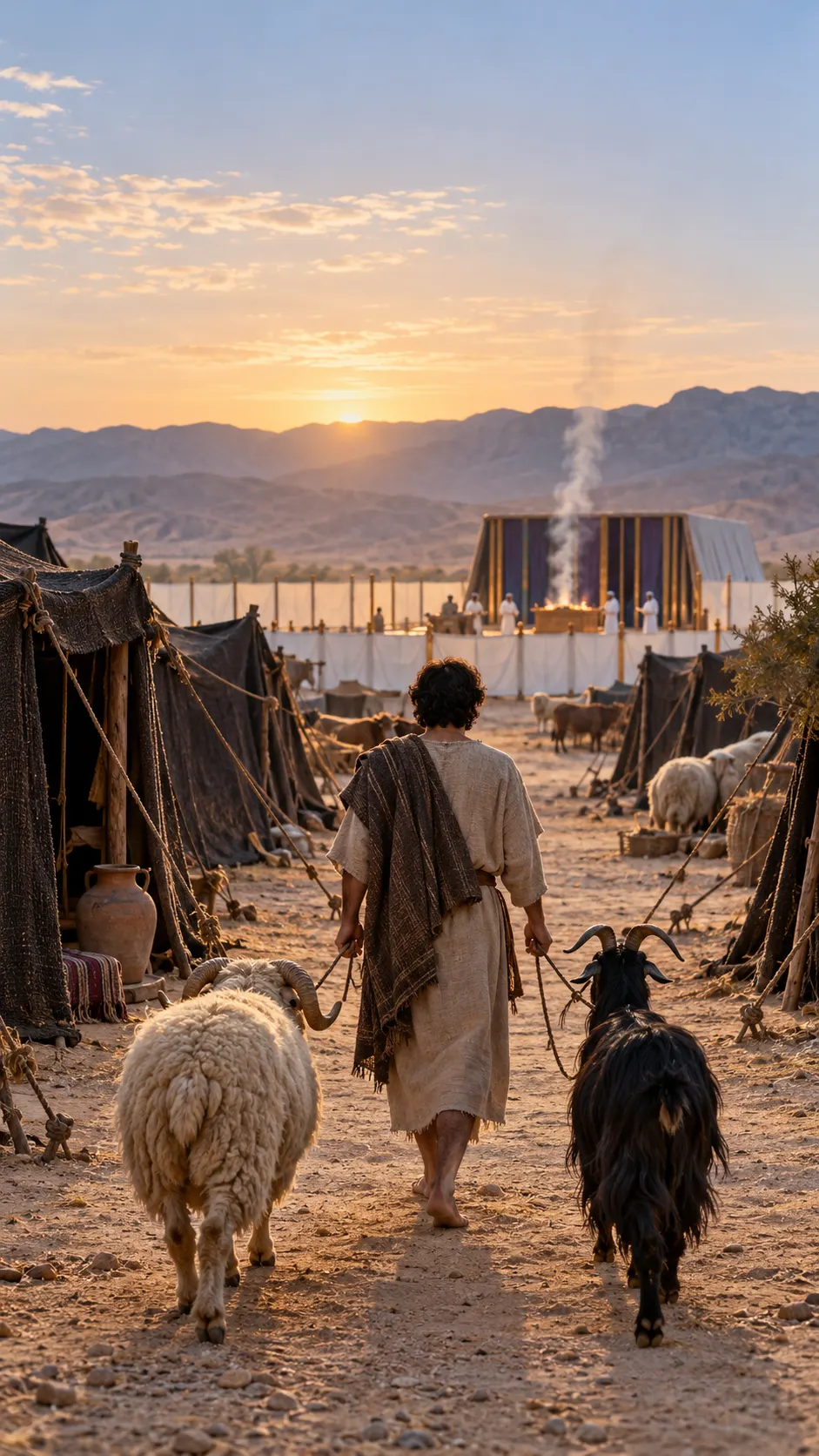
If, however, one’s offering is a burnt offering from the flock—from the sheep or goats—he is to present an unblemished male. He shall slaughter it on the north side of the altar before the LORD, and Aaron’s sons the priests are to splatter its blood against the altar on all sides. He is to cut the animal into pieces, and the priest shall arrange them, including the head and fat, atop the burning wood that is on the altar. The entrails and legs must be washed with water, and the priest shall present all of it and burn it on the altar; it is a burnt offering, a food offering, a pleasing aroma to the LORD.
Narrated by Bob Souer · BSB audio, public domain
If, instead, one’s offering to the LORD is a burnt offering of birds, he is to present a turtledove or a young pigeon.
The law
Then the priest shall bring it to the altar, twist off its head, and burn it on the altar; its blood should be drained out on the side of the altar.
And he is to remove the crop with its contents and throw it to the east side of the altar, in the place for ashes.
He shall tear it open by its wings, without dividing the bird completely.
And the priest is to burn it on the altar atop the burning wood. It is a burnt offering, a food offering, a pleasing aroma to the LORD.
Plan to scale in cubits · north at the top
The tabernacle
The worshiper brought his animal into the court, “to the entrance to the Tent of Meeting.” The bronze altar stood in the court before the tent’s door. Sheep and goats were offered “on the north side of the altar,” and the bird’s crop was thrown “to the east side of the altar, in the place for ashes,” toward the gate. Every burnt offering ended on this one altar, the only place God gave for it.
Question
Before the priests did anything, the one who brought the burnt offering had one thing to do himself.
Where did the worshiper lay his hand?
You’ve experienced
Leviticus 1
0 of 27 chapters read
A verse to carry with you
He is to lay his hand on the head of the burnt offering, so it can be accepted on his behalf to make atonement for him.
Leviticus 1:4
or swipe left