UNROLL
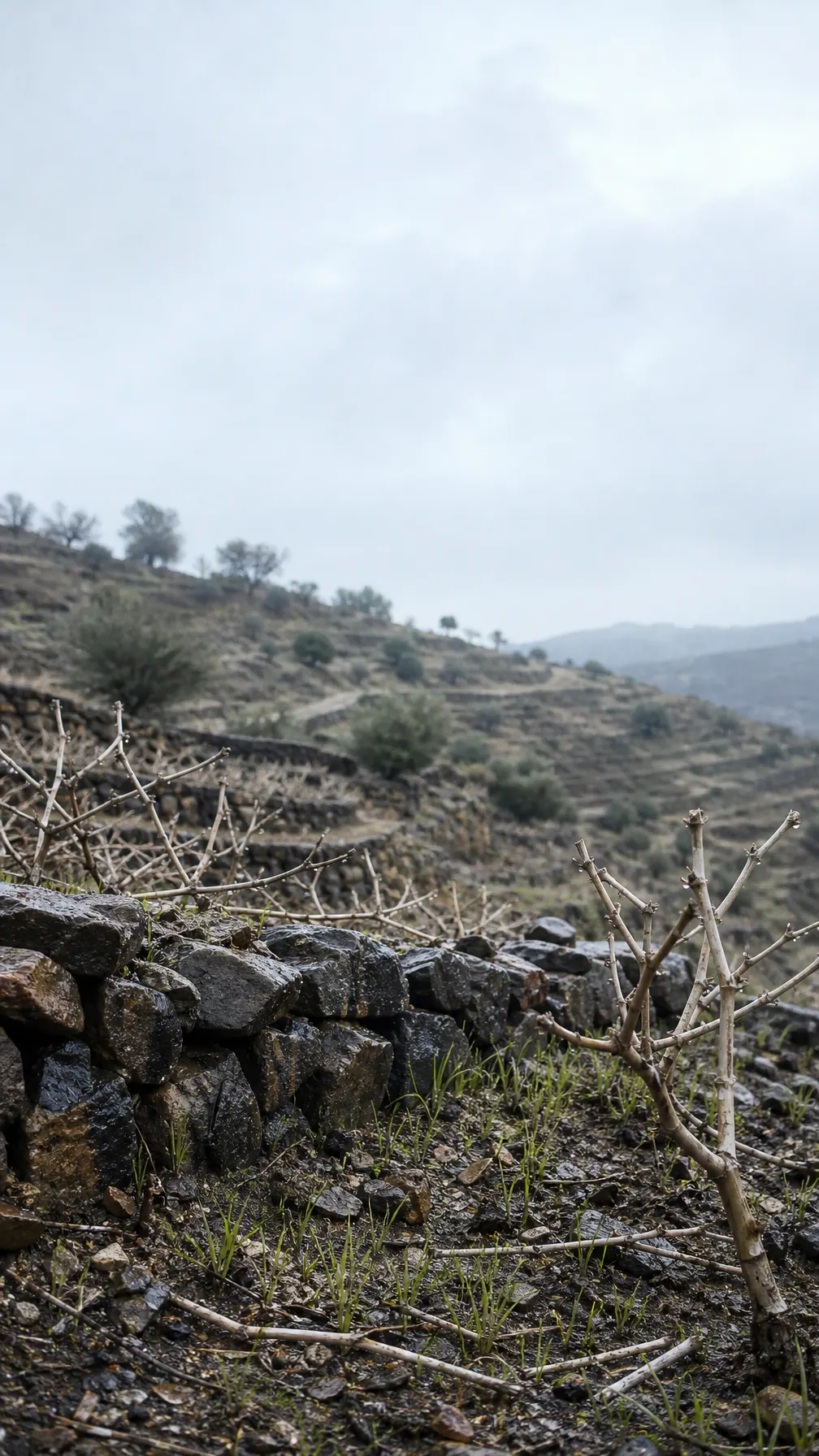
Morning after rain on a stripped terraced hillside: bare white vine canes still stand, and between the wet terrace stones the first green blades of new barley come up, under a calm washed sky.

The Book of

Joel Intro

A ruined harvest, a call to come home, and a promise that the Spirit will be poured out.

Before chapter 1≈ 2 min3 chapters

Images are artistic interpretations.

In 30 seconds

Locusts strip the land bare.

Joel sees the Day of the LORD in them.

‘Return to Me,’ the LORD says.

He gives back what was lost,

and pours out His Spirit.

Tap to go deeper: meaning, history and related Scripture

Who wrote it

Joel

Son of Pethuel, a prophet in Judah

  • The word of the LORD came to Joel son of Pethuel.Joel 1:1
  • The book gives no date. Views range from the ninth century BC to after the exile.Scholars differ
  • No king is named. Priests and elders lead the people.Joel 1:14
  • Peter quotes him on the day of Pentecost.Acts 2:16

How it’s built

From locusts to the Spirit

The locusts1: a land in mourningThe Day of theLORD2:1–11: an armyReturn to Me2:12–17: rend yourheartsThe LORDanswers2:18–27: plentyrestoredMy Spirit2:28–32: on all peopleThe nationsjudged3:1–16: the valleyThe LORD inZion3:17–21: a springflows

Whiteboard

It turns on one verse, 2:18. Before it, ruin and a call home. After it, the LORD answers.

How to read it

Joel is poetry: read it aloud.

The locusts were real.

He saw a bigger Day beyond them,

some of it near, some still to come.

Big themes

Four threads to follow

Watch for

I will pour out My Spirit on all people

Joel 2:28

Start reading

Question

Quick question

One small book, and one famous sermon that quotes it.

Where in the New Testament is Joel quoted at length?

or swipe left