
Shepherds and prophets
Jeremiah 26
24 verses≈ 6 minBSB
Images are artistic interpretations.
Tap any post to go deeper

Shepherds and prophets
24 verses≈ 6 minBSB
Images are artistic interpretations.
Tap any post to go deeper
Where we are
At the beginning of the reign of Jehoiakim son of Josiah king of Judah, this word came from the LORD:
Tap to go deeper: meaning, history and related Scripture
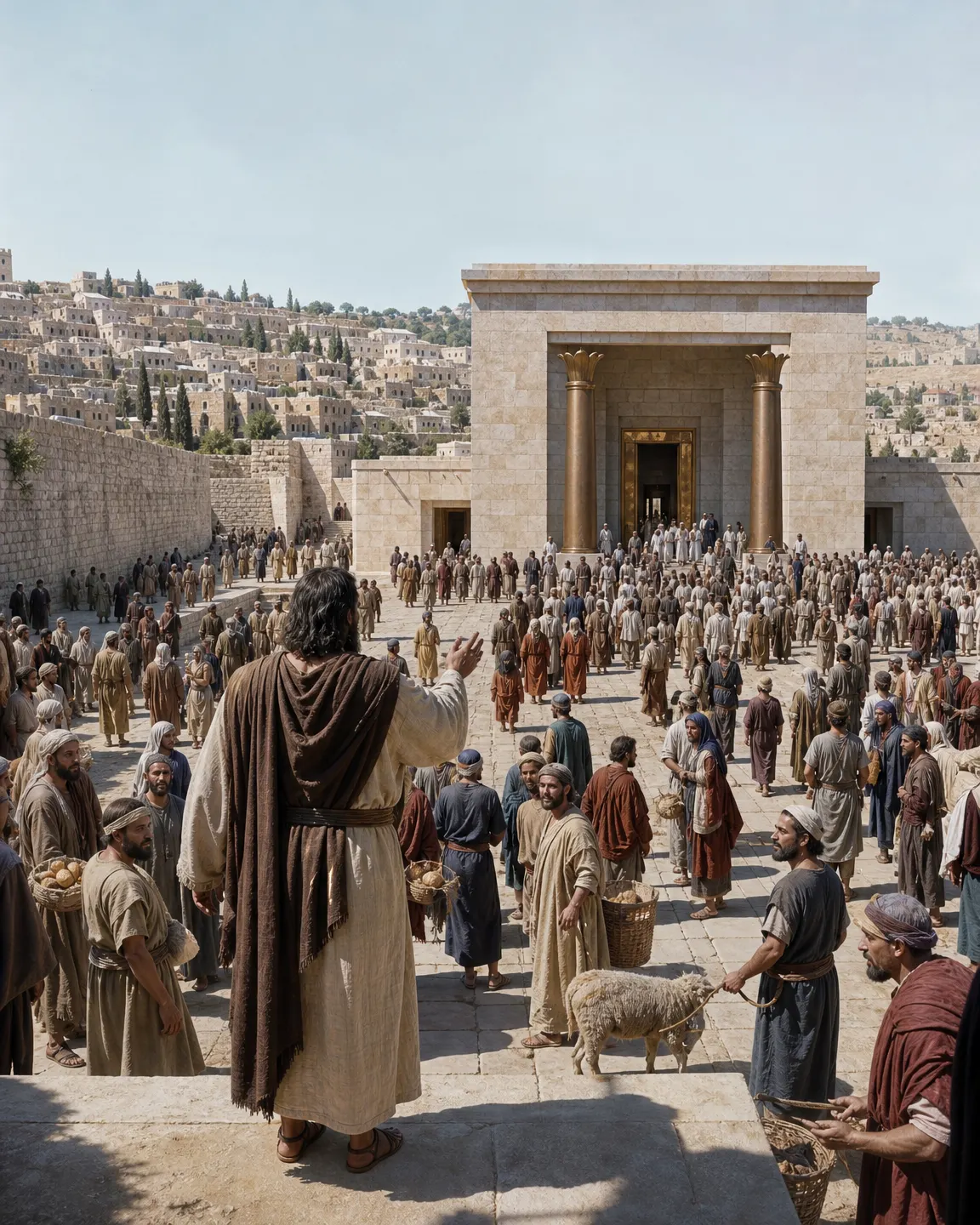
Perhaps they will listen and turn—each from his evil way of life—so that I may relent of the disaster I am planning to bring upon them because of the evil of their deeds.
And you are to tell them that this is what the LORD says: ‘If you do not listen to Me and walk in My law, which I have set before you, and if you do not listen to the words of My servants the prophets, whom I have sent you again and again even though you did not listen, then I will make this house like Shiloh, and I will make this city an object of cursing among all the nations of the earth.’”
Stylised map · locations approximate
On the map
Shiloh, where the tabernacle stood in Eli’s day, lay about 20 miles north of Jerusalem, a ruin everyone knew. Jeremiah’s home, Anathoth, was about 3 miles north-east; Kiriath-jearim, home of another prophet in this chapter, about 8 miles west.
Now the priests and prophets and all the people heard Jeremiah speaking these words in the house of the LORD, and as soon as he had finished telling all the people everything the LORD had commanded him to say, the priests and prophets and all the people seized him, shouting, “You must surely die!
How dare you prophesy in the name of the LORD that this house will become like Shiloh and this city will be desolate and deserted!” And all the people assembled against Jeremiah in the house of the LORD.
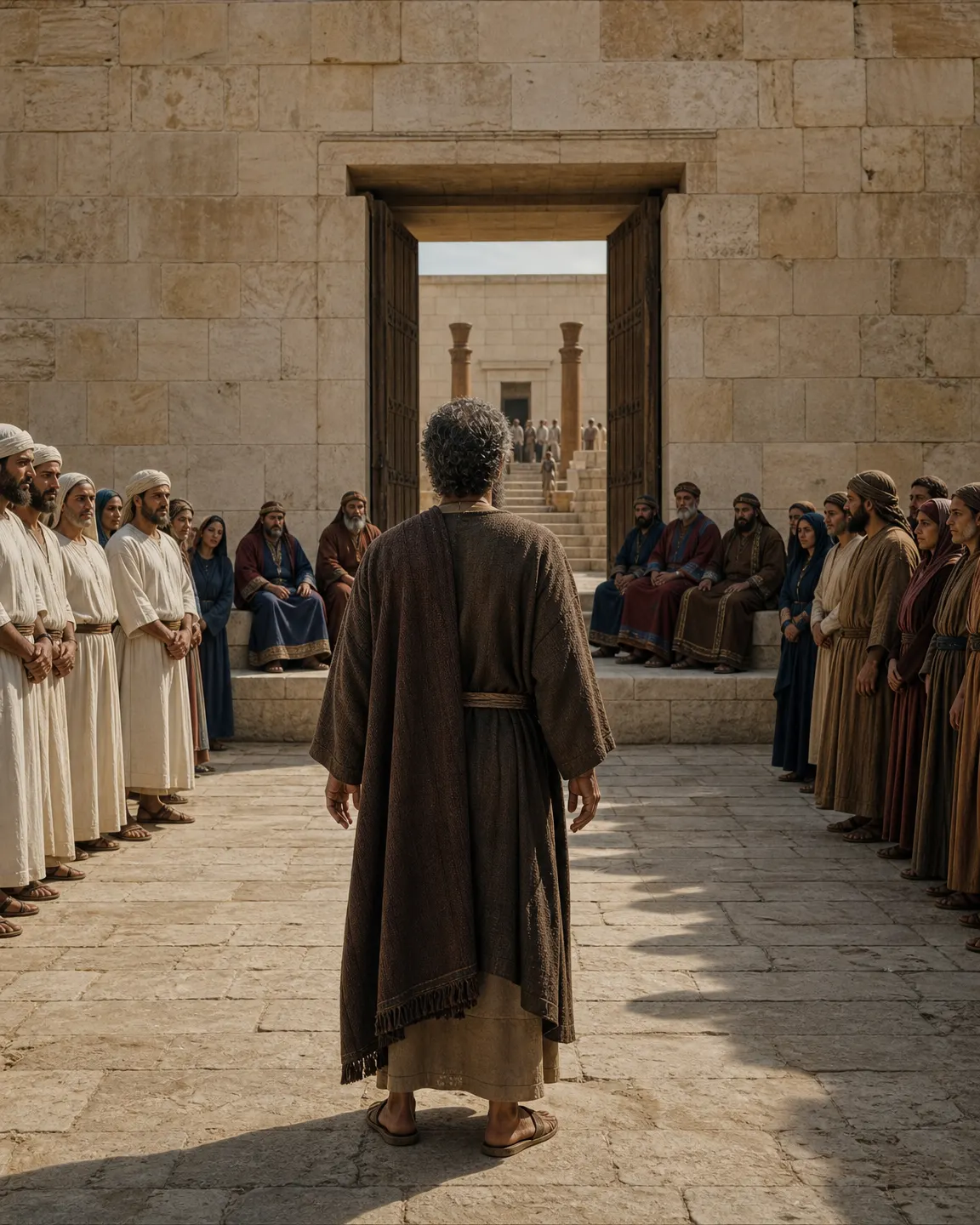
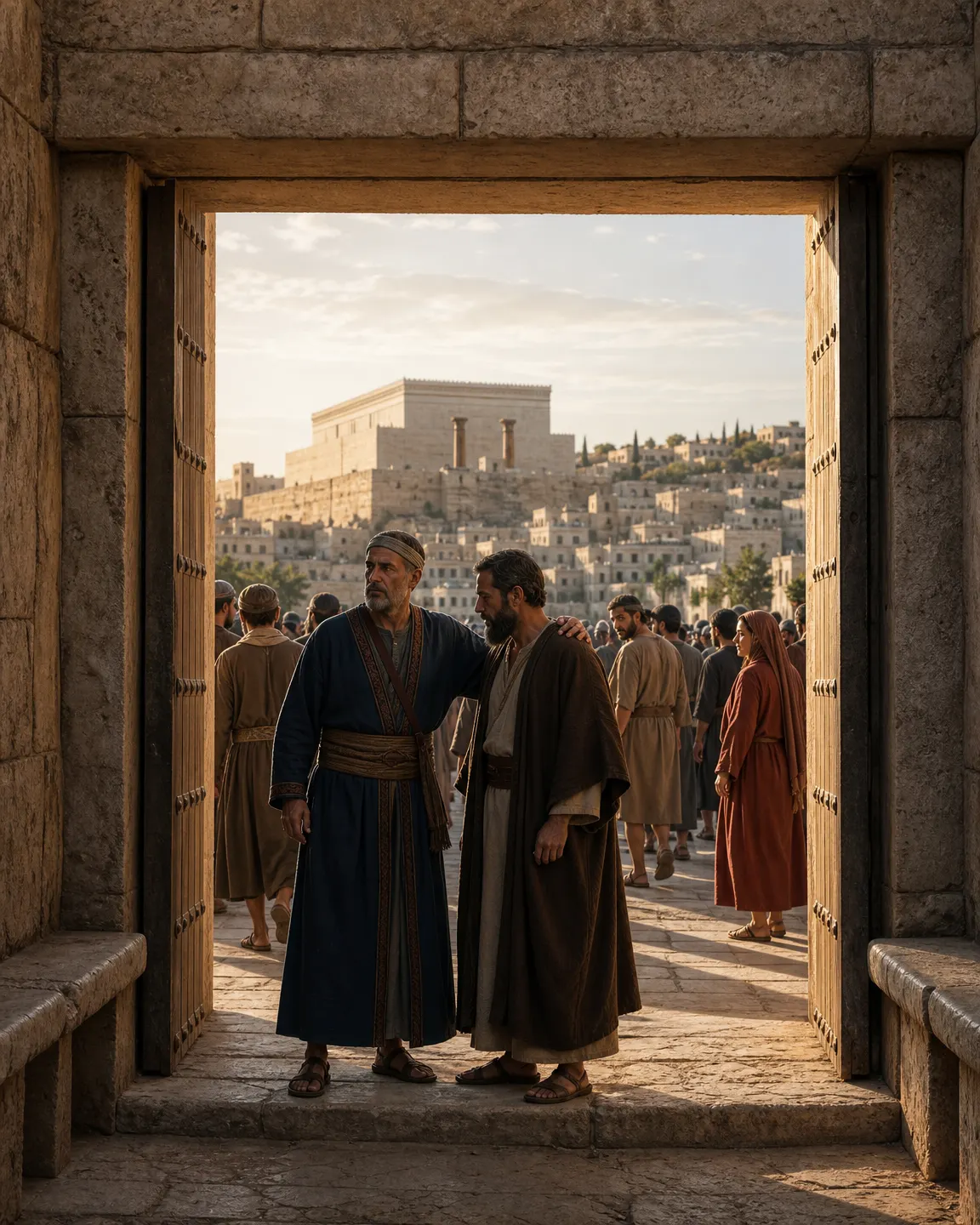
When the officials of Judah heard these things, they went up from the king’s palace to the house of the LORD and sat there at the entrance of the New Gate.
Priests and prophets
Then the priests and prophets said to the officials and all the people, “This man is worthy of death, for he has prophesied against this city, as you have heard with your own ears!”
Jeremiah
But Jeremiah said to all the officials and all the people, “The LORD sent me to prophesy against this house and against this city all the words that you have heard.
So now, correct your ways and deeds, and obey the voice of the LORD your God, so that He might relent of the disaster He has pronounced against you.
Jeremiah 26:13
Question
The priests and prophets made their case to the officials. Look back at 26:11.
What did the priests and prophets say Jeremiah deserved?
Then the officials and all the people told the priests and prophets, “This man is not worthy of death, for he has spoken to us in the name of the LORD our God!”
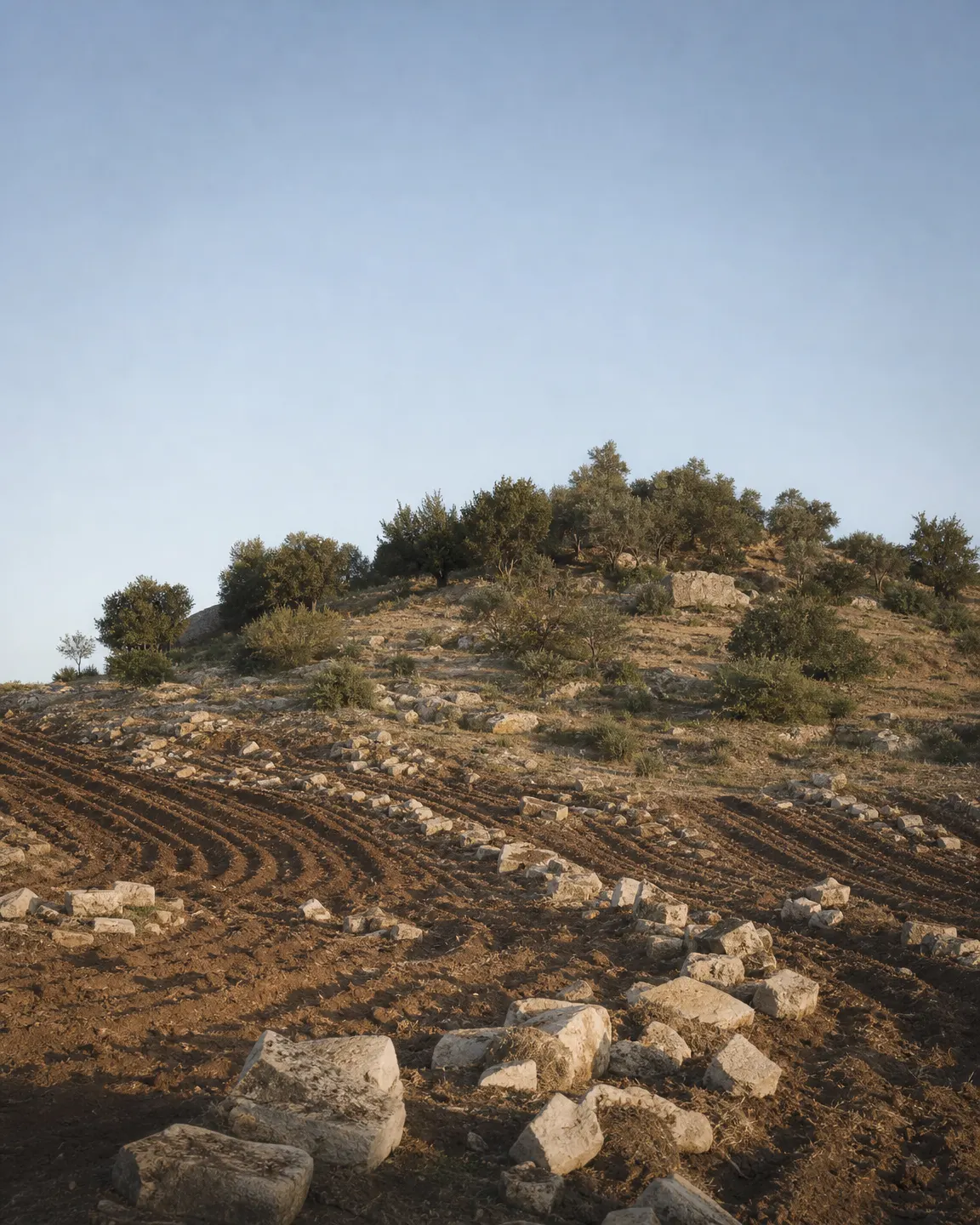
Did Hezekiah king of Judah or anyone else in Judah put him to death? Did Hezekiah not fear the LORD and seek His favor, and did not the LORD relent of the disaster He had pronounced against them? But we are about to bring great harm on ourselves!”
Now there was another man prophesying in the name of the LORD, Uriah son of Shemaiah from Kiriath-jearim. He prophesied against this city and against this land the same things that Jeremiah did.
King Jehoiakim and all his mighty men and officials heard his words, and the king sought to put him to death. But when Uriah found out about it, he fled in fear and went to Egypt.
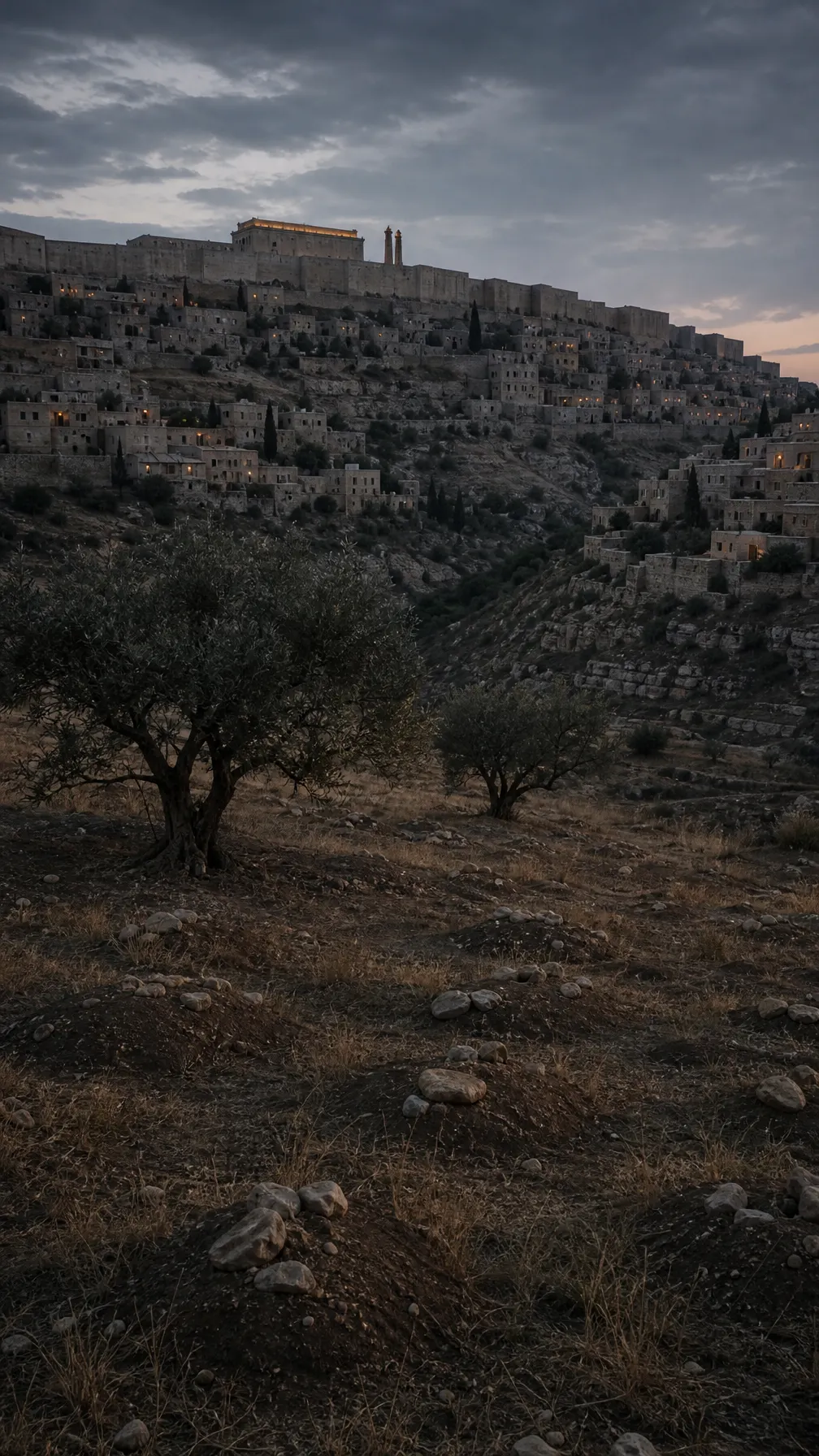
Then King Jehoiakim sent men to Egypt: Elnathan son of Achbor along with some other men. They brought Uriah out of Egypt and took him to King Jehoiakim, who had him put to the sword and his body thrown into the burial place of the common people.
Narrated by Bob Souer · BSB audio, public domain
Pray
Lord, give me Jeremiah’s courage to speak every word You give, and Ahikam’s courage to stand beside those who do. Whether I am spared or not, let me be faithful. Amen.
Whiteboard
Jeremiah was spared and Uriah was not. Both told the truth; God kept His word and His servant as He chose.
You’ve experienced
Jeremiah 26
0 of 52 chapters read
A verse to carry with you
So now, correct your ways and deeds, and obey the voice of the LORD your God, so that He might relent of the disaster He has pronounced against you.
Jeremiah 26:13
or swipe left