The Book of
Exodus 1
22 verses≈ 3 min3 peopleBSB
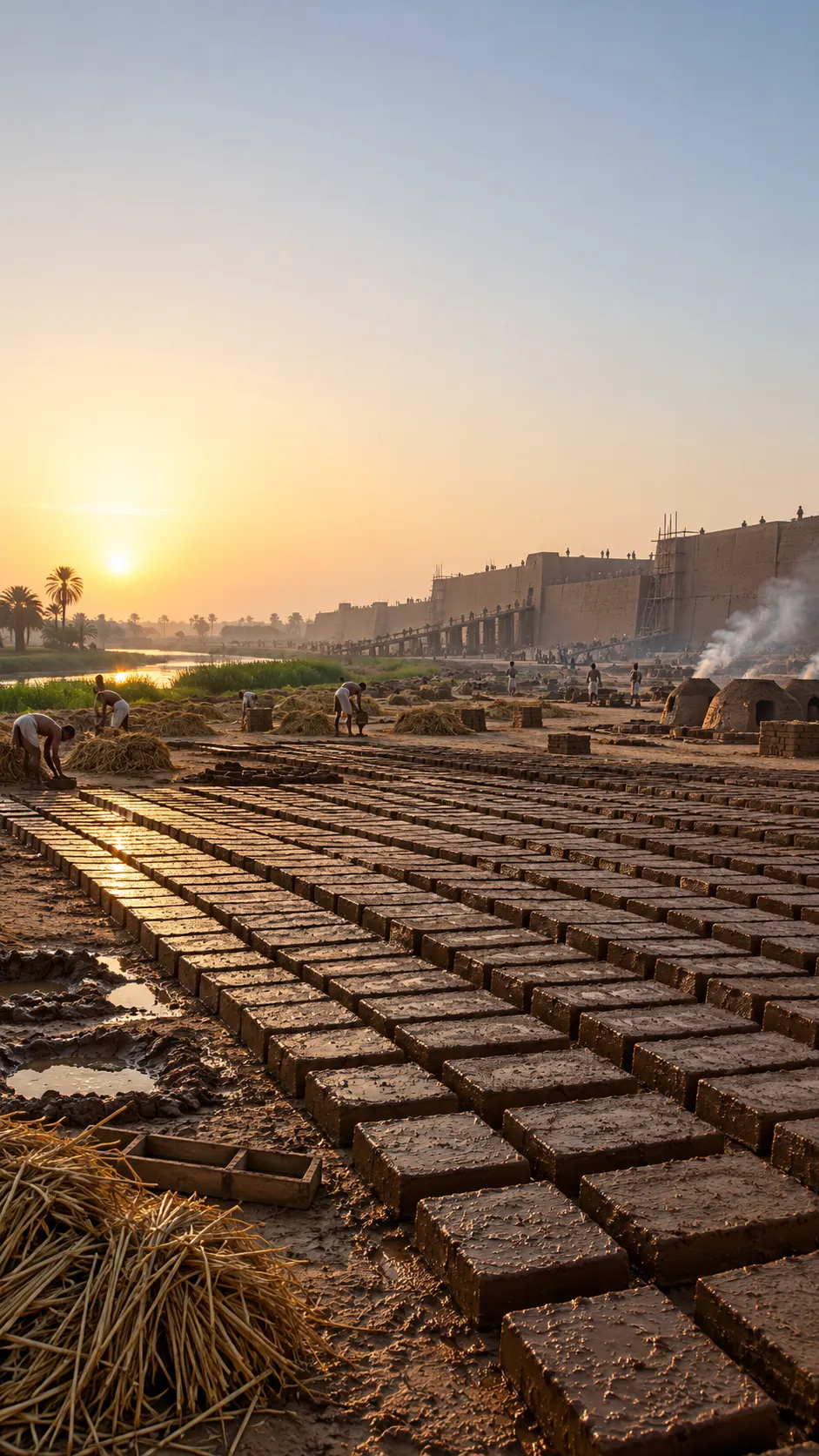
Images are artistic interpretations.
Tap any post to go deeper
In this chapter

The Book of
22 verses≈ 3 min3 peopleBSB
Images are artistic interpretations.
Tap any post to go deeper
In this chapter
Where we are
Family line
Went to Egypt
These are the names of the sons of Israel who went to Egypt with Jacob, each with his family:
Reuben, Simeon, Levi, and Judah;
Issachar, Zebulun, and Benjamin;
Dan and Naphtali;
Gad and Asher.
Seventy in all
already in Egypt
The descendants of Jacob numbered seventy in all, including Joseph, who was already in Egypt.
Tap to go deeper: meaning, history and related Scripture
Now Joseph and all his brothers and all that generation died, but the Israelites were fruitful and increased rapidly; they multiplied and became exceedingly numerous, so that the land was filled with them.
Then a new king, who did not know Joseph, came to power in Egypt.
“Look,” he said to his people, “the Israelites have become too numerous and too powerful for us. Come, let us deal shrewdly with them, or they will increase even more; and if a war breaks out, they may join our enemies, fight against us, and leave the country.”
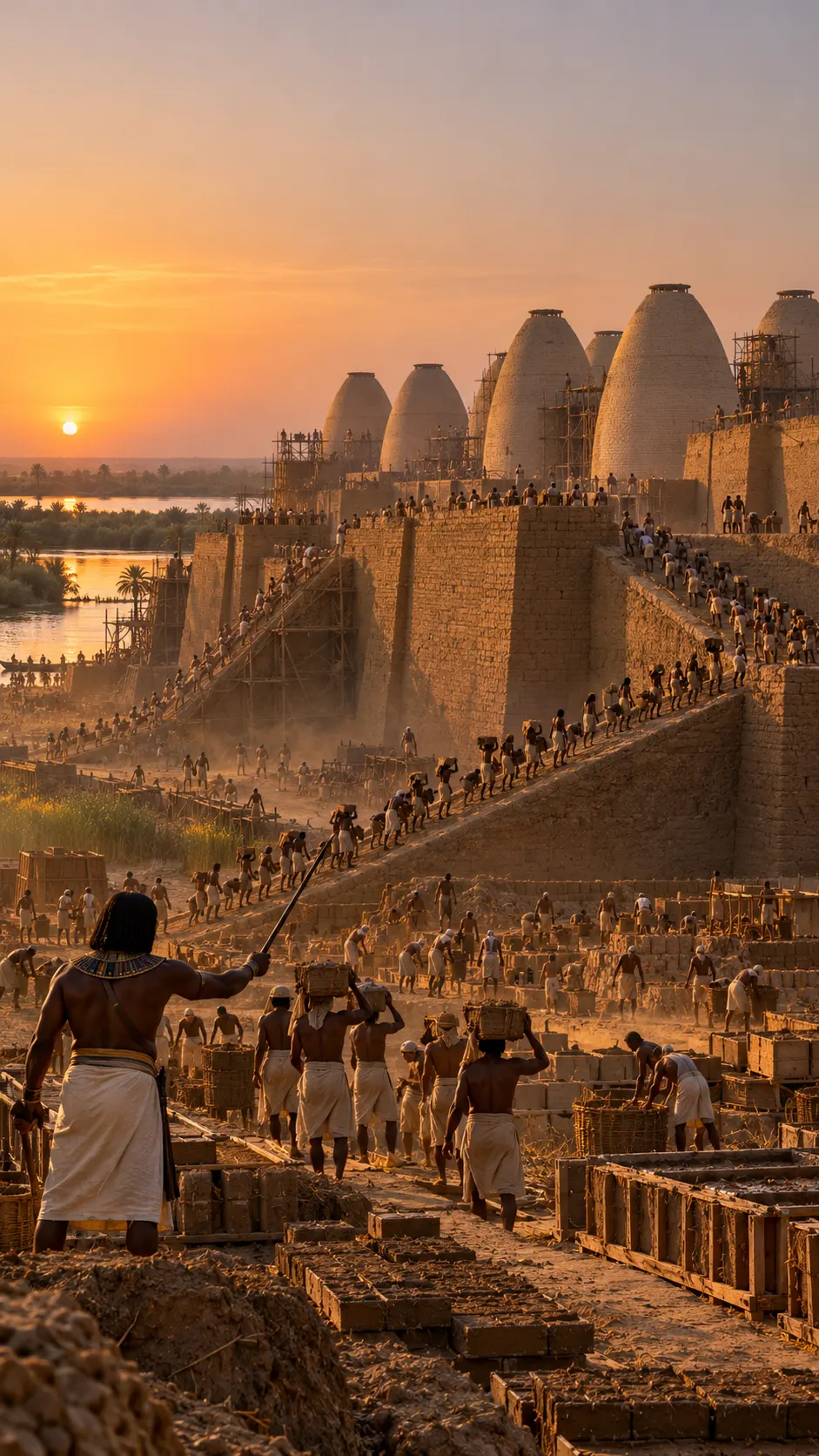
So the Egyptians appointed taskmasters over the Israelites to oppress them with forced labor. As a result, they built Pithom and Rameses as store cities for Pharaoh.
Narrated by Bob Souer · BSB audio, public domain
But the more they were oppressed, the more they multiplied and flourished; so the Egyptians came to dread the Israelites.
Reflect
Egypt set out to crush Israel, and it backfired: “the more they were oppressed, the more they multiplied and flourished.” No king could cancel what God had promised Abraham. Where do you feel pressed down right now? Write it down, and next to it write one way God might be growing something in you through it. Then pray: Lord, make me fruitful even here.
Stylised map · locations approximate
On the map
Israel lived in Goshen, in the eastern Nile delta, north-east of On. Close by, they “built Pithom and Rameses as store cities for Pharaoh.” Rameses is probably the great city found at Qantir, and Pithom lay in the Wadi Tumilat, toward the wilderness. Neither site is certain.
Then the king of Egypt said to the Hebrew midwives, whose names were Shiphrah and Puah,
Pharaoh
“When you help the Hebrew women give birth, observe them on the birthstools. If the child is a son, kill him; but if it is a daughter, let her live.”
The midwives, however, feared God and did not do as the king of Egypt had instructed; they let the boys live.
The midwives, however, feared God and did not do as the king of Egypt had instructed; they let the boys live.
Exodus 1:17
Pharaoh
So the king of Egypt summoned the midwives and asked them, “Why have you done this? Why have you let the boys live?”
Shiphrah and Puah
The midwives answered Pharaoh, “The Hebrew women are not like the Egyptian women, for they are vigorous and give birth before a midwife arrives.”
So God was good to the midwives, and the people multiplied and became even more numerous. And because the midwives feared God, He gave them families of their own.
Then Pharaoh commanded all his people: “Every son born to the Hebrews you must throw into the Nile, but every daughter you may allow to live.”
Question
The king of Egypt gave two Hebrew midwives an order to kill. They didn’t carry it out.
Why did the midwives let the boys live?
You’ve experienced
Exodus 1
0 of 40 chapters read
A verse to carry with you
The midwives, however, feared God and did not do as the king of Egypt had instructed; they let the boys live.
Exodus 1:17
or swipe left