The Book of
Deuteronomy 24
22 verses≈ 5 minBSB
Images are artistic interpretations.
Tap any post to go deeper

The Book of
22 verses≈ 5 minBSB
Images are artistic interpretations.
Tap any post to go deeper
Where we are
The law
Divorce
If a man marries a woman, but she becomes displeasing to him because he finds some indecency in her, he may write her a certificate of divorce, hand it to her, and send her away from his house.
If, after leaving his house, she goes and becomes another man’s wife,
and the second man hates her, writes her a certificate of divorce, hands it to her, and sends her away from his house, or if he dies,
The limit
then the husband who divorced her first may not remarry her after she has been defiled, for that is an abomination to the LORD.
You must not bring sin upon the land that the LORD your God is giving you as an inheritance.
Tap to go deeper: meaning, history and related Scripture
If a man is newly married, he must not be sent to war or be pressed into any duty. For one year he is free to stay at home and bring joy to the wife he has married.
Do not take a pair of millstones or even an upper millstone as security for a debt, because that would be taking one’s livelihood as security.
If a man is caught kidnapping one of his Israelite brothers, whether he treats him as a slave or sells him, the kidnapper must die. So you must purge the evil from among you.
In cases of infectious skin diseases, be careful to diligently follow everything the Levitical priests instruct you. Be careful to do as I have commanded them. Remember what the LORD your God did to Miriam on the journey after you came out of Egypt.
Do not oppress a hired hand who is poor and needy, whether he is a brother or a foreigner residing in one of your towns. You are to pay his wages each day before sunset, because he is poor and depends on them. Otherwise he may cry out to the LORD against you, and you will be guilty of sin.
Reflect
Twice in a few verses the sun sets on a poor man. His cloak is to be back with him “by sunset, so that he may sleep in his own cloak and bless you,” and his pay in his hand “each day before sunset, because he is poor and depends on them.” Who depends on you being on time and being fair: an employee, a contractor, a friend you owe, a family member waiting on a promise? Write down one thing you have let slide that someone else is waiting on, and settle it before the sun goes down.
Fathers shall not be put to death for their children, nor children for their fathers; each is to die for his own sin.
Do not deny justice to the foreigner or the fatherless, and do not take a widow’s cloak as security.
Remember that you were slaves in Egypt, and the LORD your God redeemed you from that place. Therefore I am commanding you to do this.
Deuteronomy 24:18
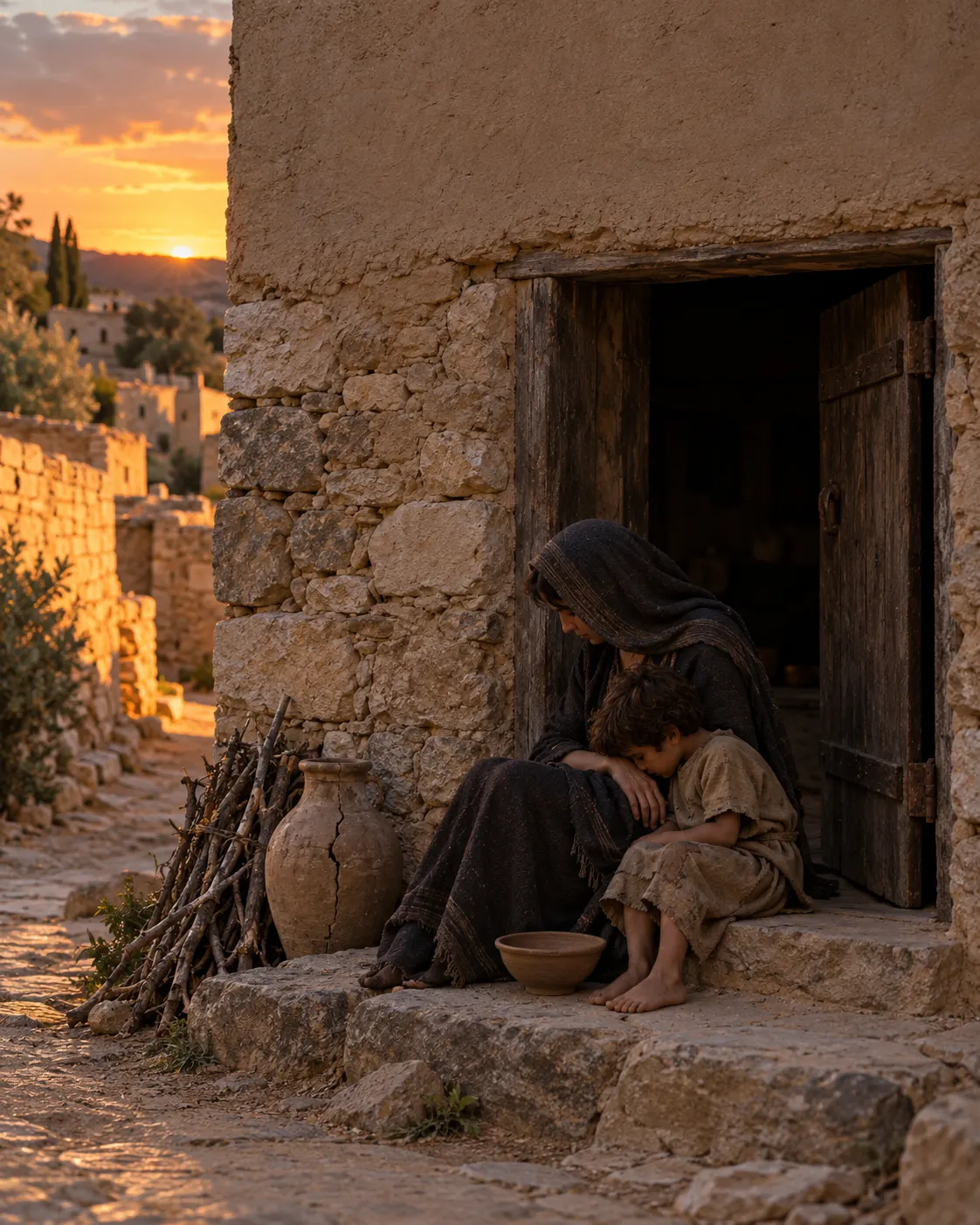
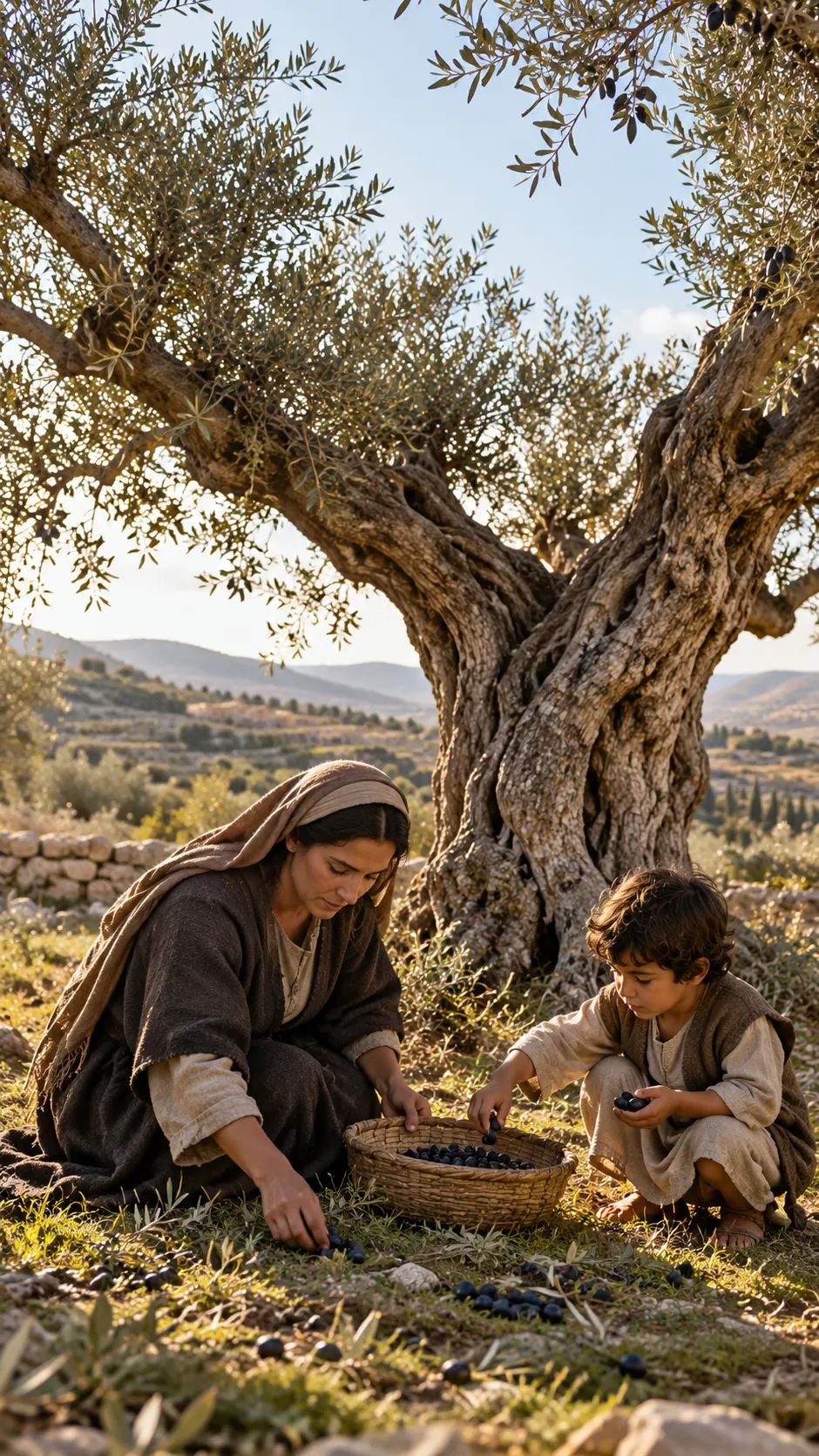
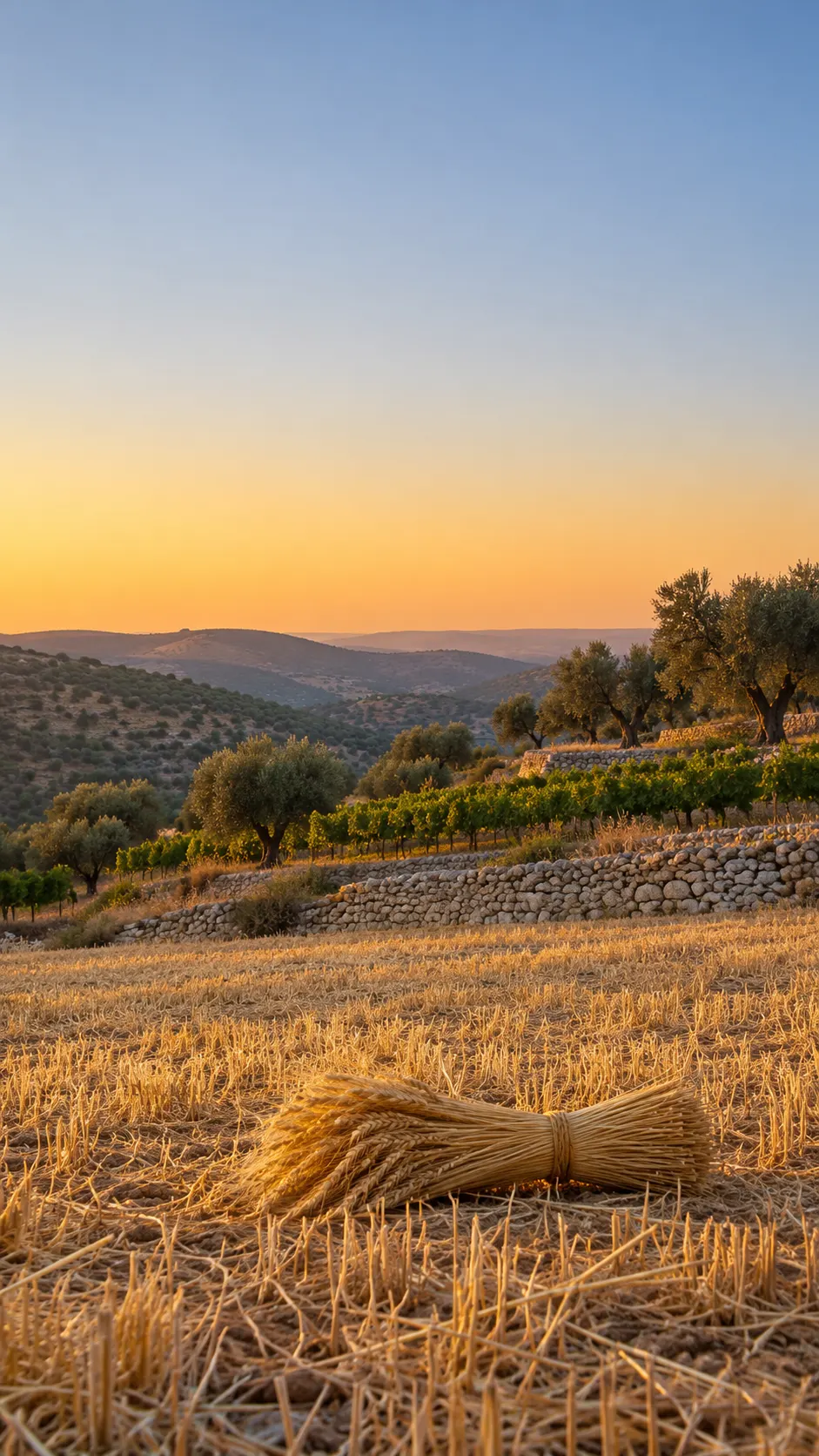
If you are harvesting in your field and forget a sheaf there, do not go back to get it. It is to be left for the foreigner, the fatherless, and the widow, so that the LORD your God may bless you in all the work of your hands.
When you beat the olives from your trees, you must not go over the branches again. What remains will be for the foreigner, the fatherless, and the widow.
When you gather the grapes of your vineyard, you must not go over the vines again. What remains will be for the foreigner, the fatherless, and the widow.
Narrated by Bob Souer · BSB audio, public domain
Remember that you were slaves in the land of Egypt. Therefore I am commanding you to do this.
Whiteboard
Twice the chapter gives the same reason: “Remember that you were slaves in Egypt, and the LORD your God redeemed you from that place. Therefore I am commanding you to do this.” Israel had been the poor man without a cloak, the laborer without wages, the foreigner without a defender, and God had set them free. So the pledge goes back by sunset, the wages are paid that day, the weak get justice and the forgotten sheaf stays in the field. People who have been shown mercy are to show it.
Question
Harvest laws were God’s way of feeding the poor through the work of ordinary farmers.
What was a farmer to do with a sheaf he forgot in his field?
You’ve experienced
Deuteronomy 24
0 of 34 chapters read
A verse to carry with you
Remember that you were slaves in Egypt, and the LORD your God redeemed you from that place. Therefore I am commanding you to do this.
Deuteronomy 24:18
or swipe left