
The Book of
Acts 17
34 verses≈ 6 min4 peopleBSB
Images are artistic interpretations.
Tap any post to go deeper
In this chapter

The Book of
34 verses≈ 6 min4 peopleBSB
Images are artistic interpretations.
Tap any post to go deeper
In this chapter
When they had passed through Amphipolis and Apollonia, they came to Thessalonica, where there was a Jewish synagogue.
Tap to go deeper: meaning, history and related Scripture
Stylised map · locations approximate
Where it happened
From Philippi Paul and Silas passed “through Amphipolis and Apollonia” to Thessalonica, then were sent on by night to Berea. From there Paul was taken down to Athens, in the province of Achaia, while Silas and Timothy stayed behind.
As was his custom, Paul went into the synagogue, and on three Sabbaths he reasoned with them from the Scriptures, explaining and proving that the Christ had to suffer and rise from the dead.
“This Jesus I am proclaiming to you is the Christ,” he declared.
Some of the Jews were persuaded and joined Paul and Silas, along with a large number of God-fearing Greeks and quite a few leading women.
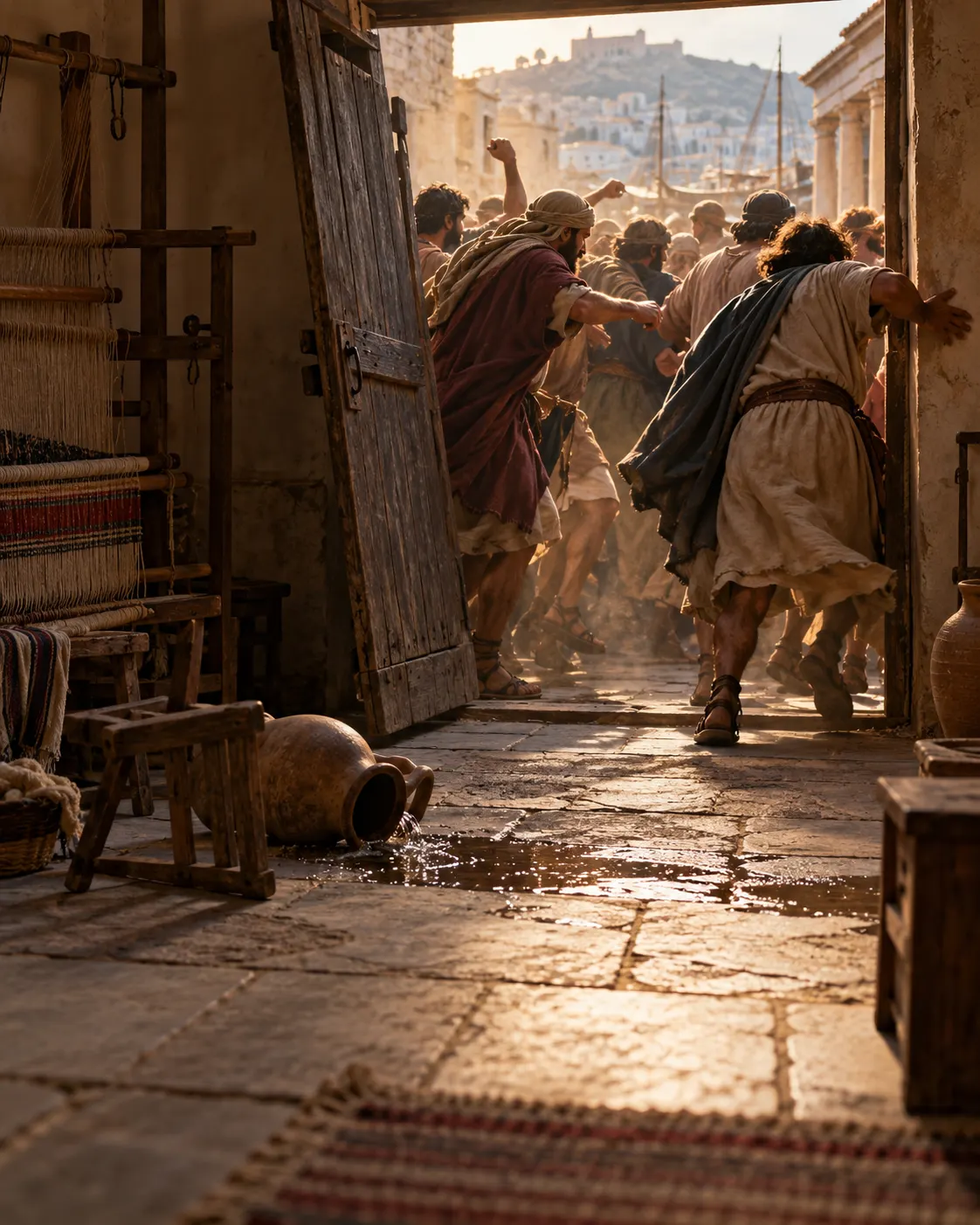
The mob
But when they could not find them, they dragged Jason and some other brothers before the city officials, shouting, “These men who have turned the world upside down have now come here, and Jason has welcomed them into his home. They are all defying Caesar’s decrees, saying that there is another king, named Jesus!”
These men who have turned the world upside down
Acts 17:6
On hearing this, the crowd and city officials were greatly disturbed. And they collected bond from Jason and the others and then released them.
examined the Scriptures every day to see if these teachings were true
Acts 17:11
Reflect
The Bereans “received the message with great eagerness” and still “examined the Scriptures every day to see if these teachings were true.” They were eager and careful at the same time, and Luke calls that noble. What would it look like for you to open the Scriptures every day this week and check what you have been taught?
While Paul was waiting for them in Athens, he was deeply disturbed in his spirit to see that the city was full of idols.
So he reasoned in the synagogue with the Jews and God-fearing Gentiles, and in the marketplace with those he met each day.
Some Epicurean and Stoic philosophers also began to debate with him.
Philosophers
Some of them asked, “What is this babbler trying to say?”
Philosophers
Others said, “He seems to be advocating foreign gods.”
They said this because Paul was proclaiming the good news of Jesus and the resurrection.
The Areopagus
So they took Paul and brought him to the Areopagus, where they asked him, “May we know what this new teaching is that you are presenting? For you are bringing some strange notions to our ears, and we want to know what they mean.”
Now all the Athenians and foreigners who lived there spent their time doing nothing more than hearing and articulating new ideas.
Question
Some of the philosophers in the marketplace thought Paul was preaching more than one new god.
What was Paul proclaiming that made them say he was “advocating foreign gods”?
Then Paul stood up in the meeting of the Areopagus and said, “Men of Athens, I see that in every way you are very religious.
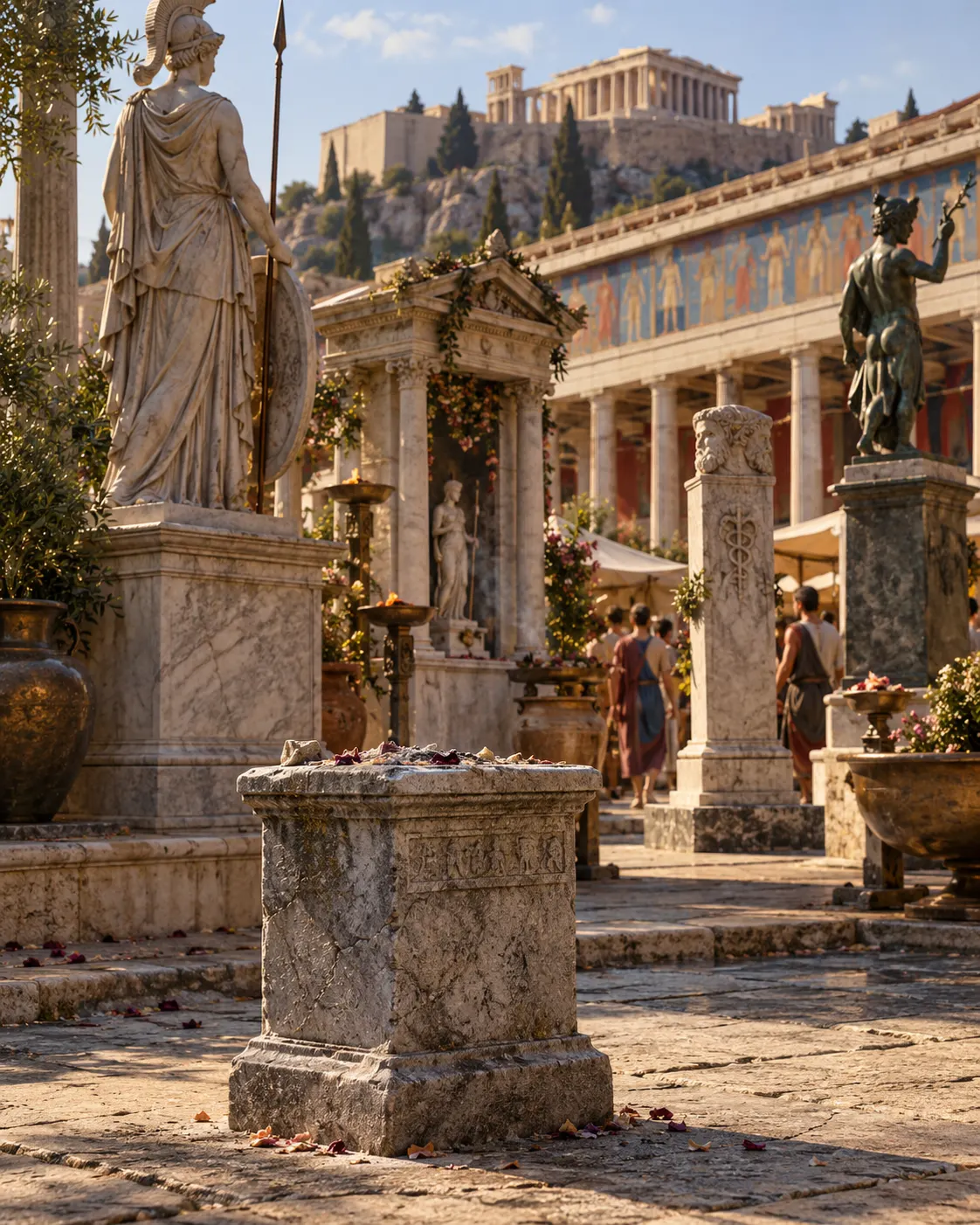
Therefore what you worship as something unknown, I now proclaim to you.
Acts 17:23
‘For in Him we live and move and have our being.’
As some of your own poets have said, ‘We are His offspring.’ Therefore, being offspring of God, we should not think that the Divine Being is like gold or silver or stone, an image formed by man’s skill and imagination.
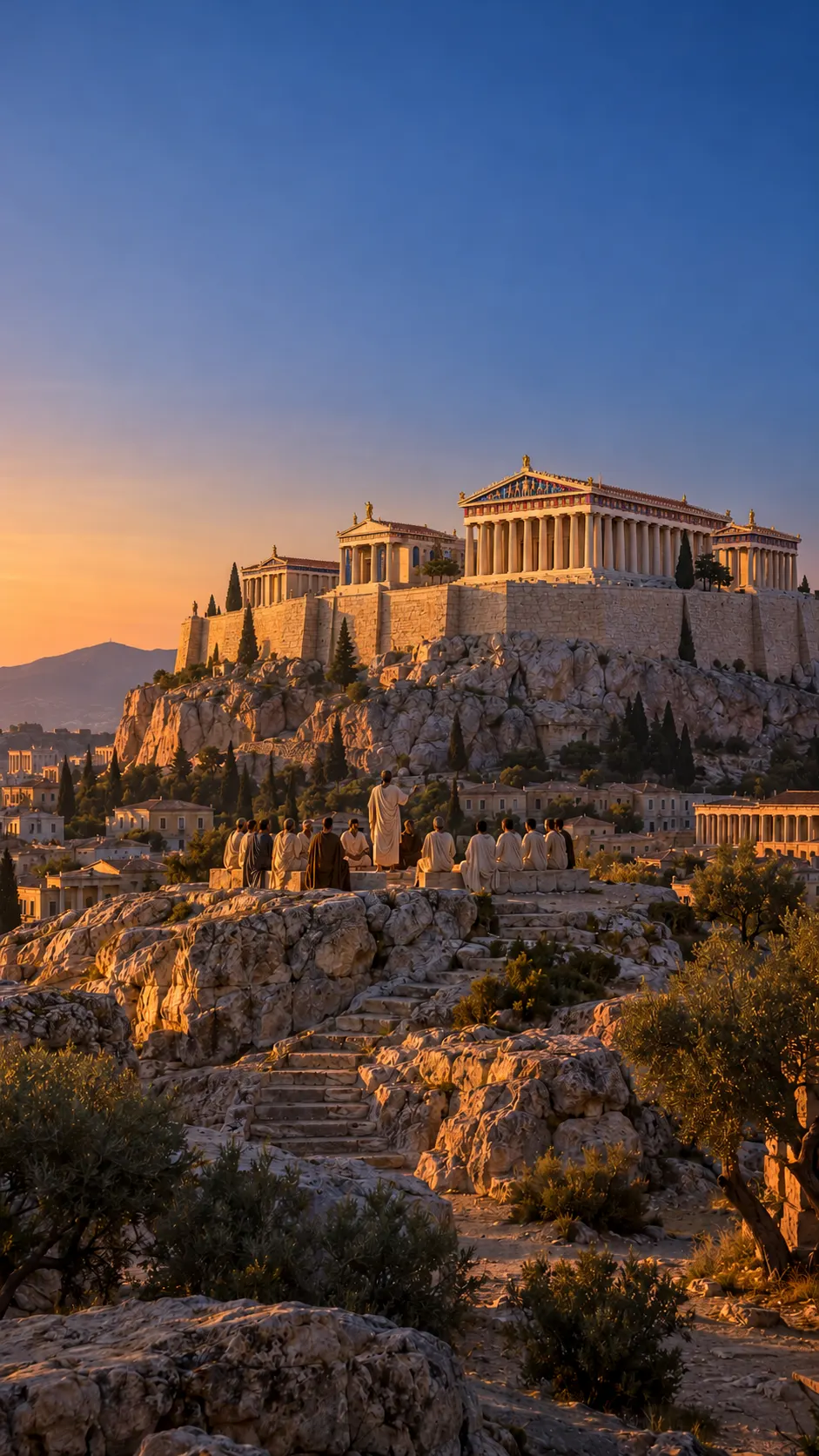
Although God overlooked the ignorance of earlier times, He now commands all people everywhere to repent. For He has set a day when He will judge the world with justice by the Man He has appointed. He has given proof of this to everyone by raising Him from the dead.”
Narrated by Bob Souer · BSB audio, public domain
When they heard about the resurrection of the dead, some began to mock him, but others said, “We want to hear you again on this topic.” At that, Paul left the Areopagus.
But some joined him and believed, including Dionysius the Areopagite, a woman named Damaris, and others who were with them.
Whiteboard
Paul starts where Athens is: an altar to a god no one knows. He names the God who made everything, needs nothing, gives everything and is near to everyone. Then he lands on a Person: the Man God raised from the dead, who will judge the world.
Pray
Some mocked, some wanted to hear more, and some “joined him and believed.” God “is not far from each one of us.” Pray for someone you know who is still searching, or still unsure about the resurrection. Ask God to bring them near, and to give you Paul’s patience and courage to speak.
You’ve experienced
Acts 17
0 of 28 chapters read
A verse to carry with you
Now the Bereans were more noble-minded than the Thessalonians, for they received the message with great eagerness and examined the Scriptures every day to see if these teachings were true.
Acts 17:11
or swipe left