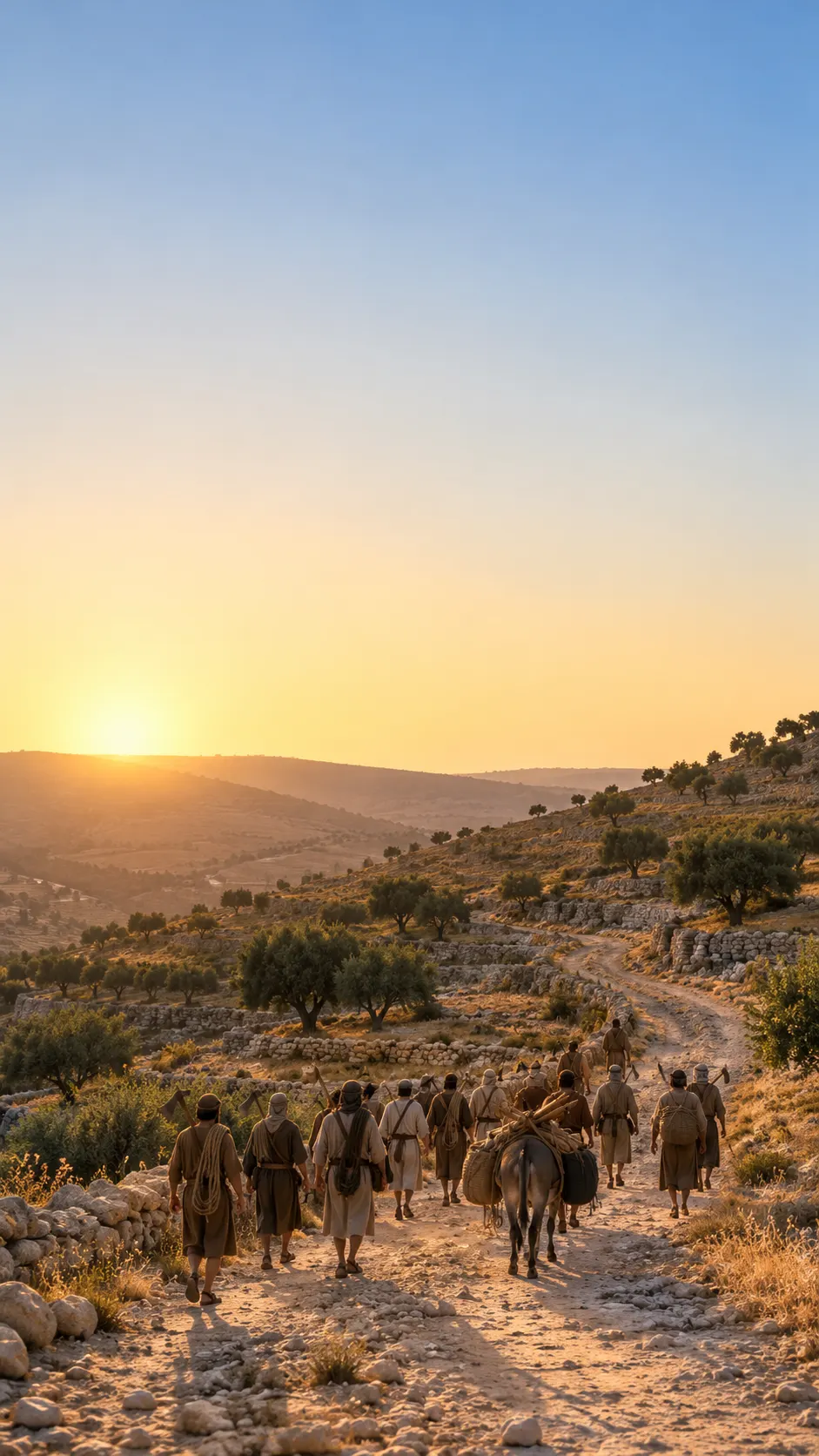
The Book of
2 Kings 23
37 verses≈ 10 min5 peopleBSB
Images are artistic interpretations.
Tap any post to go deeper
In this chapter

The Book of
37 verses≈ 10 min5 peopleBSB
Images are artistic interpretations.
Tap any post to go deeper
In this chapter
Where we are
Then the king summoned all the elders of Judah and Jerusalem. And he went up to the house of the LORD with all the people of Judah and Jerusalem, as well as the priests and the prophets—all the people small and great—and in their hearing he read all the words of the Book of the Covenant that had been found in the house of the LORD.
Tap to go deeper: meaning, history and related Scripture
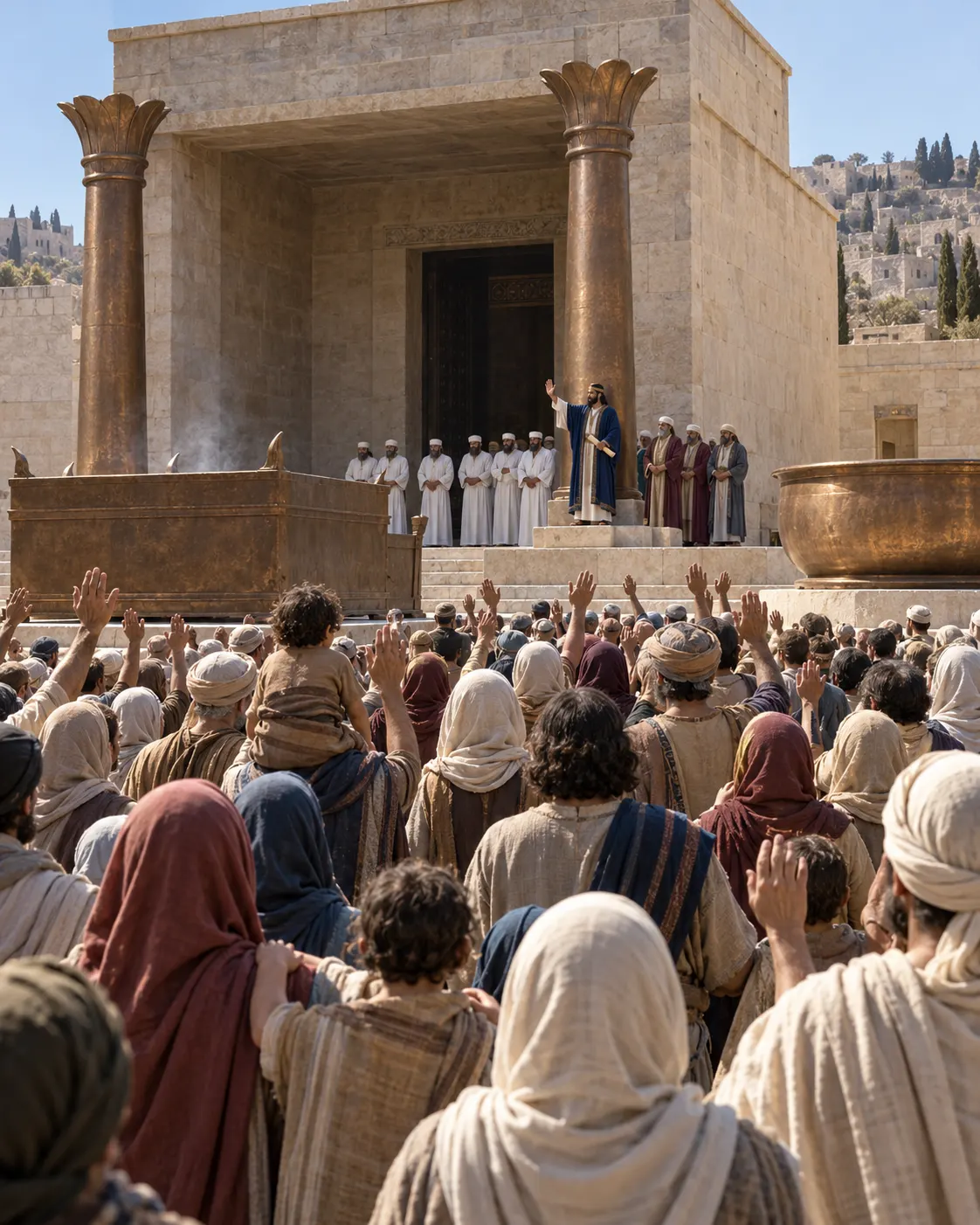
to follow the LORD and to keep His commandments, decrees, and statutes with all his heart and all his soul
2 Kings 23:3
Then the king commanded Hilkiah the high priest, the priests second in rank, and the doorkeepers to remove from the temple of the LORD all the articles made for Baal, Asherah, and all the host of heaven. And he burned them outside Jerusalem in the fields of Kidron and carried their ashes to Bethel.
Josiah also did away with the idolatrous priests ordained by the kings of Judah to burn incense on the high places of the cities of Judah and in the places all around Jerusalem—those who had burned incense to Baal, to the sun and moon, to the constellations, and to all the host of heaven.
He brought the Asherah pole from the house of the LORD to the Kidron Valley outside Jerusalem, and there he burned it, ground it to powder, and threw its dust on the graves of the common people.
He also tore down the quarters of the male shrine prostitutes that were in the house of the LORD, where the women had woven tapestries for Asherah.
Then Josiah brought all the priests from the cities of Judah and desecrated the high places, from Geba to Beersheba, where the priests had burned incense. He tore down the high places of the gates at the entrance of the gate of Joshua the governor of the city, which was to the left of the city gate. Although the priests of the high places did not come up to the altar of the LORD in Jerusalem, they ate unleavened bread with their fellow priests.
He also desecrated Topheth in the Valley of Ben-hinnom so that no one could sacrifice his son or daughter in the fire to Molech.
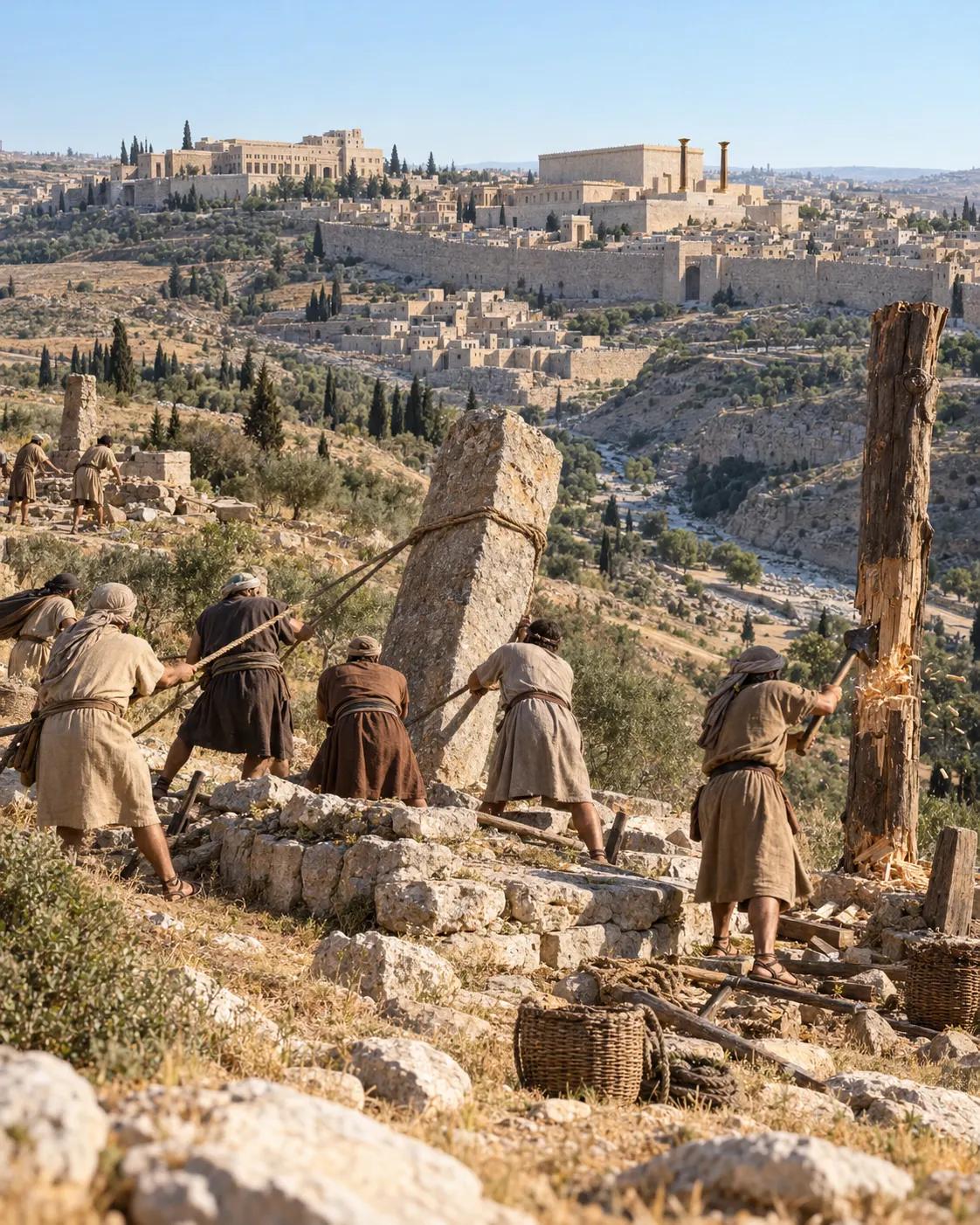
He even pulled down the altar at Bethel, the high place set up by Jeroboam son of Nebat, who had caused Israel to sin. Then he burned the high place, ground it to powder, and burned the Asherah pole.
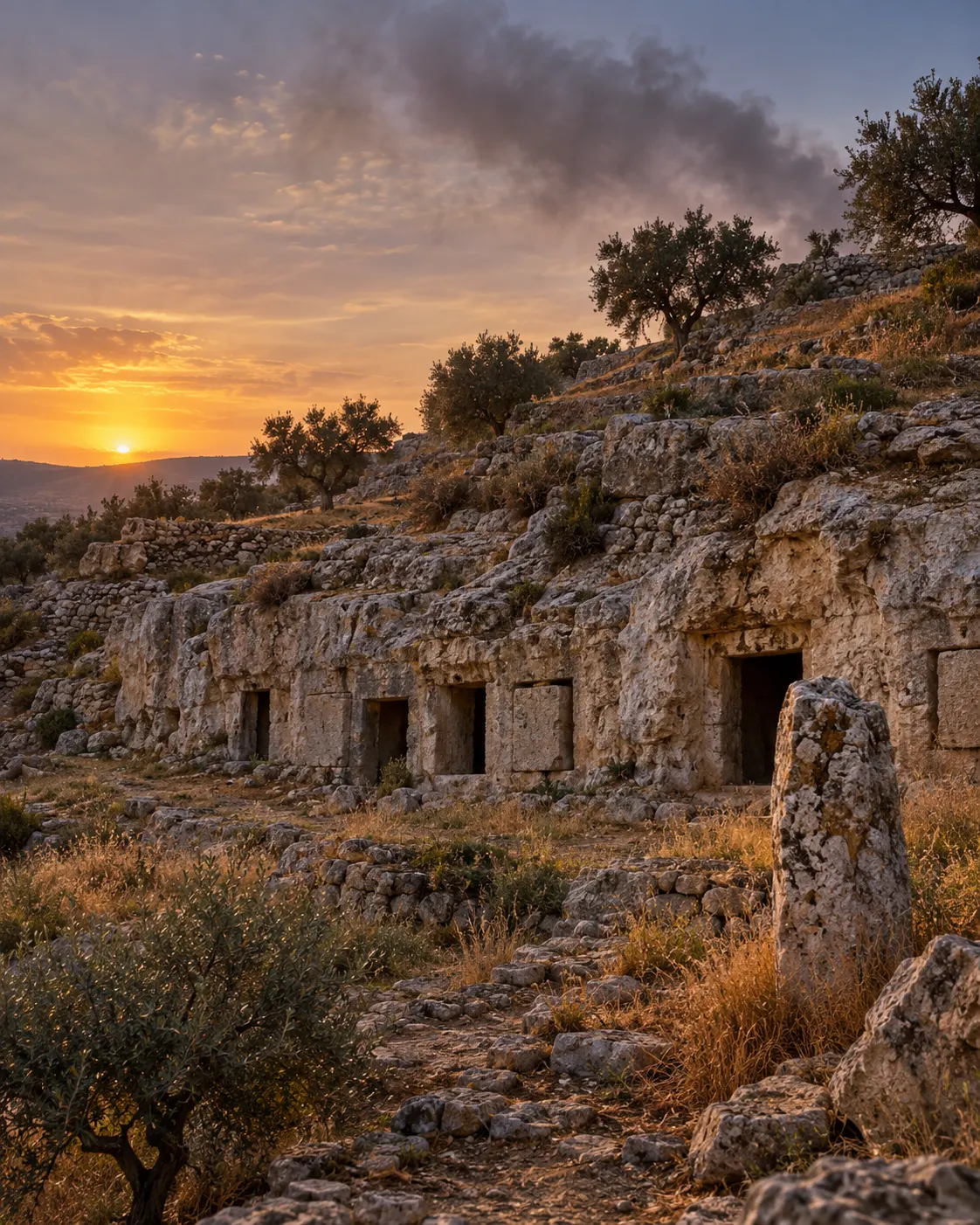
according to the word of the LORD proclaimed by the man of God who had foretold these things
2 Kings 23:16
Josiah
Then the king asked, “What is this monument I see?”
The men of the city
And the men of the city replied, “It is the tomb of the man of God who came from Judah and proclaimed these things that you have done to the altar of Bethel.”
Josiah
“Let him rest,” said Josiah. “Do not let anyone disturb his bones.”
So they left his bones undisturbed, along with those of the prophet who had come from Samaria.
Just as Josiah had done at Bethel, so also in the cities of Samaria he removed all the shrines of the high places set up by the kings of Israel who had provoked the LORD to anger. On the altars he slaughtered all the priests of the high places, and he burned human bones on them. Then he returned to Jerusalem.
Reflect
Josiah did not just move the idols out of sight. He burned the Asherah pole, “ground it to powder, and threw its dust on the graves of the common people.” Nothing was left to set up again. Is there something in your life you have put away but kept within reach? What would it mean to grind it to dust?
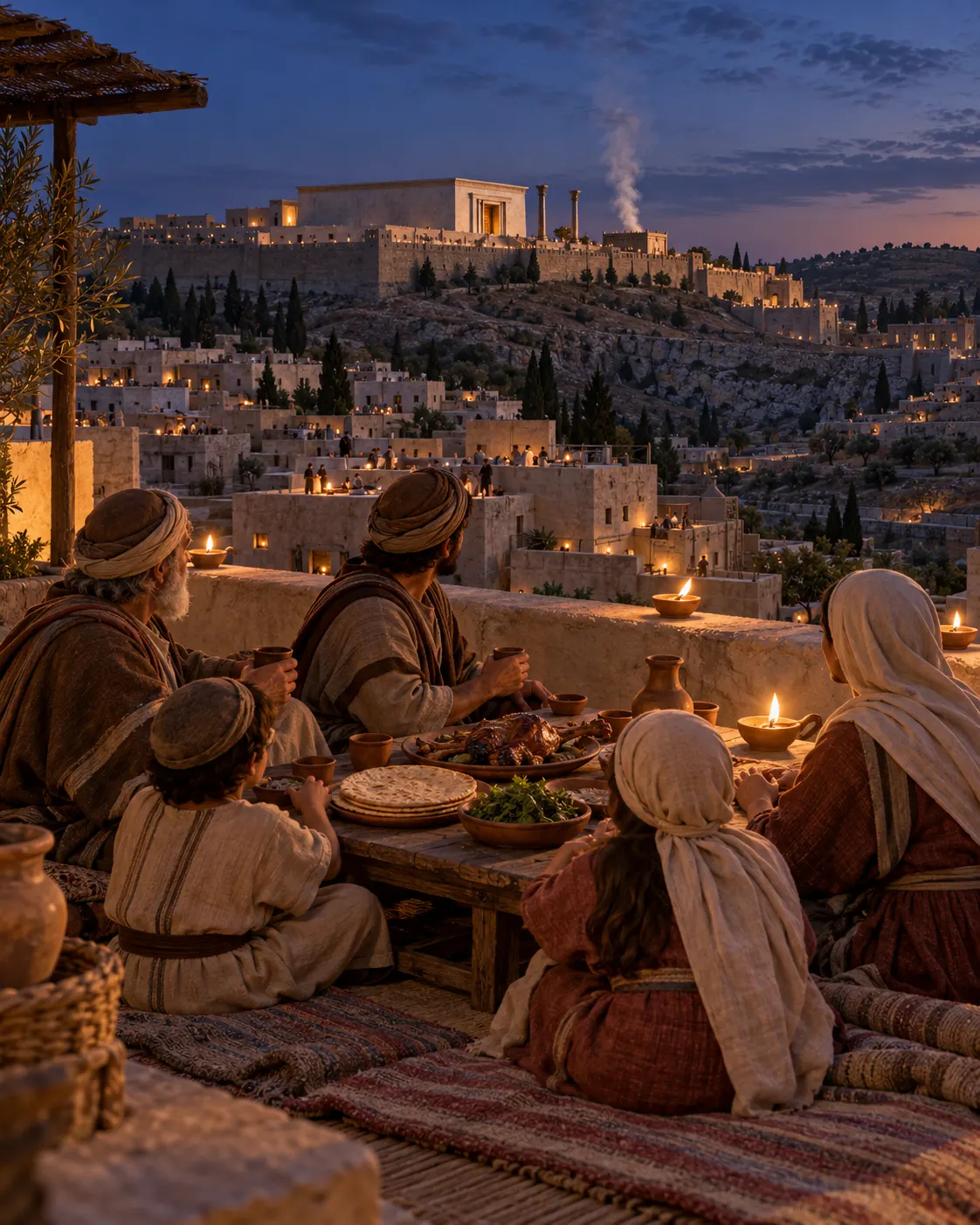
No such Passover had been observed from the days of the judges who had governed Israel through all the days of the kings of Israel and Judah. But in the eighteenth year of Josiah’s reign, this Passover was observed to the LORD in Jerusalem.
Furthermore, Josiah removed the mediums and spiritists, the household gods and idols, and all the abominations that were seen in the land of Judah and in Jerusalem. He did this to carry out the words of the law written in the book that Hilkiah the priest had found in the house of the LORD.
Neither before nor after Josiah was there any king like him, who turned to the LORD with all his heart and with all his soul and with all his strength, according to all the Law of Moses.
2 Kings 23:25
Nevertheless, the LORD did not turn away from the fury of His burning anger, which was kindled against Judah because of all that Manasseh had done to provoke Him to anger. For the LORD had said, “I will remove Judah from My sight, just as I removed Israel. I will reject this city Jerusalem, which I chose, and the temple of which I said, ‘My Name shall be there.’”
Question
Josiah’s purge reached past Judah’s border, to an altar a man of God had spoken against long before.
Whose altar did Josiah pull down at Bethel?
Stylised map · locations approximate
On the map
In 609 BC Pharaoh Neco marched north from Egypt through the pass at Megiddo to help the last of Assyria against Babylon at Carchemish on the Euphrates. Josiah went out to meet him and died at Megiddo. Neco then ruled Judah from his camp at Riblah in the land of Hamath.
As for the rest of the acts of Josiah and all his accomplishments, are they not written in the Book of the Chronicles of the Kings of Judah?
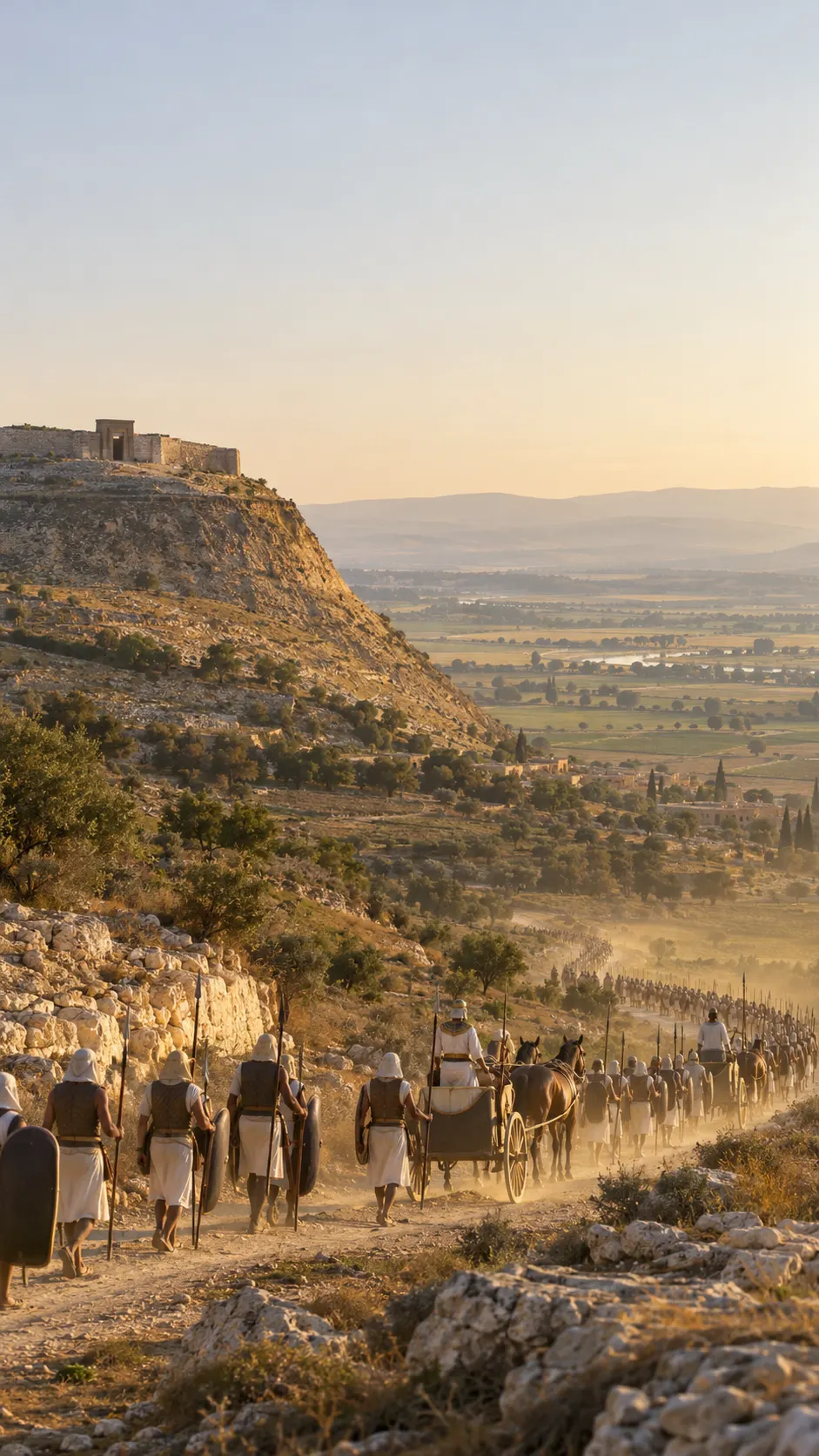
During Josiah’s reign, Pharaoh Neco king of Egypt marched up to help the king of Assyria at the Euphrates River. King Josiah went out to confront him, but Neco faced him and killed him at Megiddo.
From Megiddo his servants carried his body in a chariot, brought him to Jerusalem, and buried him in his own tomb. Then the people of the land took Jehoahaz son of Josiah, anointed him, and made him king in place of his father.
Narrated by Bob Souer · BSB audio, public domain
Judah
Jehoahaz was twenty-three years old when he became king, and he reigned in Jerusalem three months.
His mother’s name was Hamutal daughter of Jeremiah; she was from Libnah.
did evil
And he did evil in the sight of the LORD, just as his fathers had done.
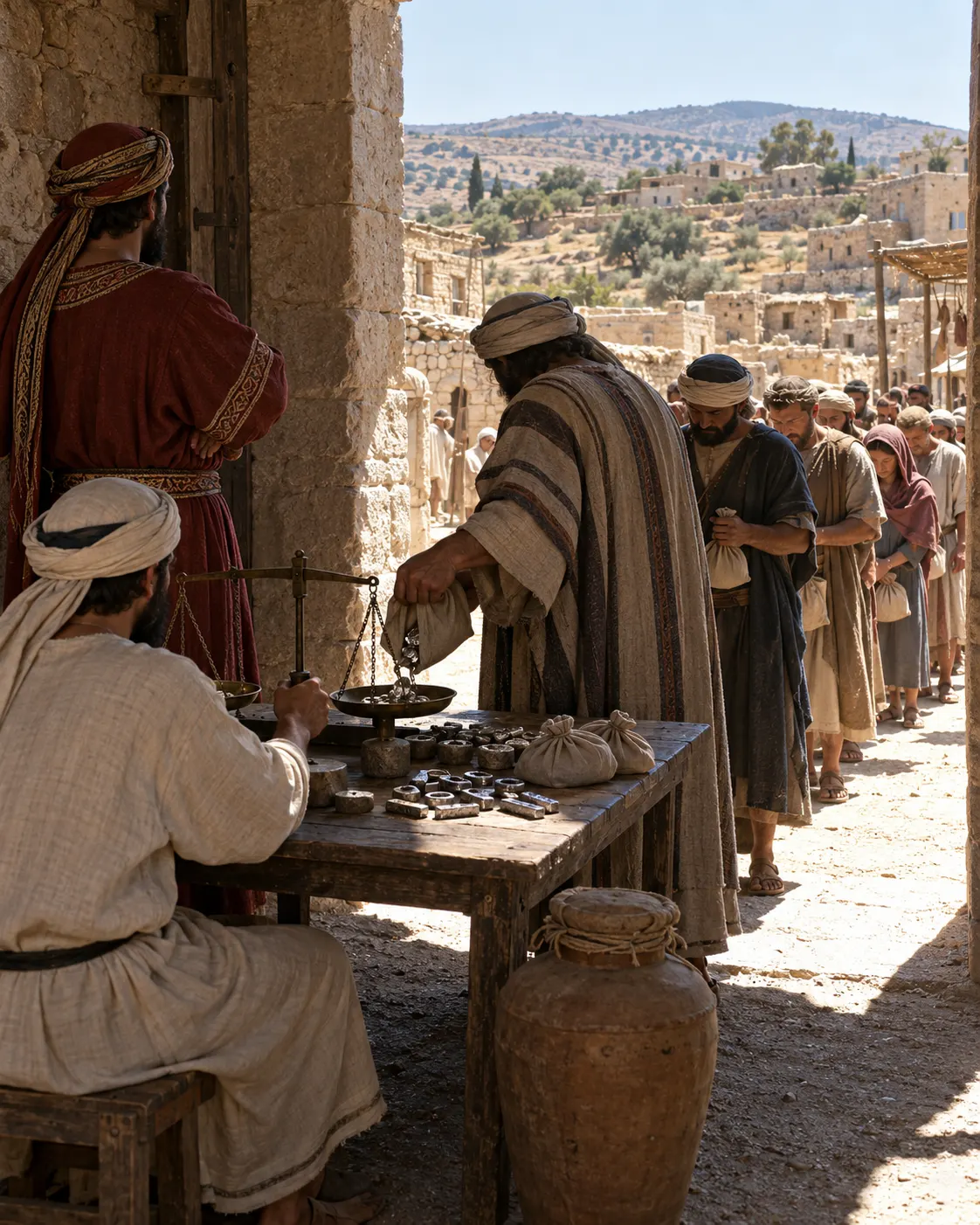
And Pharaoh Neco imprisoned Jehoahaz at Riblah in the land of Hamath so that he could not reign in Jerusalem, and he imposed on Judah a levy of a hundred talents of silver and a talent of gold. Then Pharaoh Neco made Eliakim son of Josiah king in place of his father Josiah, and he changed Eliakim’s name to Jehoiakim. But Neco took Jehoahaz and carried him off to Egypt, where he died.
Judah
Jehoiakim was twenty-five years old when he became king, and he reigned in Jerusalem eleven years.
His mother’s name was Zebidah daughter of Pedaiah; she was from Rumah.
did evil
And he did evil in the sight of the LORD, just as his fathers had done.
Pray
Josiah “turned to the LORD with all his heart and with all his soul and with all his strength, according to all the Law of Moses.” Thank God for His word, found again and read aloud, and for leaders who hear it and do it. Ask Him for a whole heart, not a turning in name only. And pray for the next generation: that your faith would not depend on whether others keep it, and that God would have mercy on your children.
You’ve experienced
2 Kings 23
0 of 25 chapters read
A verse to carry with you
Neither before nor after Josiah was there any king like him, who turned to the LORD with all his heart and with all his soul and with all his strength, according to all the Law of Moses.
2 Kings 23:25
or swipe left